
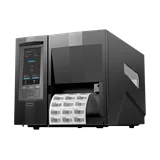
Mobile UHF RFID data collection
Handheld RFID Readers
Raylink handheld RFID readers support mobile inventory, asset verification, barcode capture and host-connected RFID data collection across warehouse, manufacturing and field workflows.
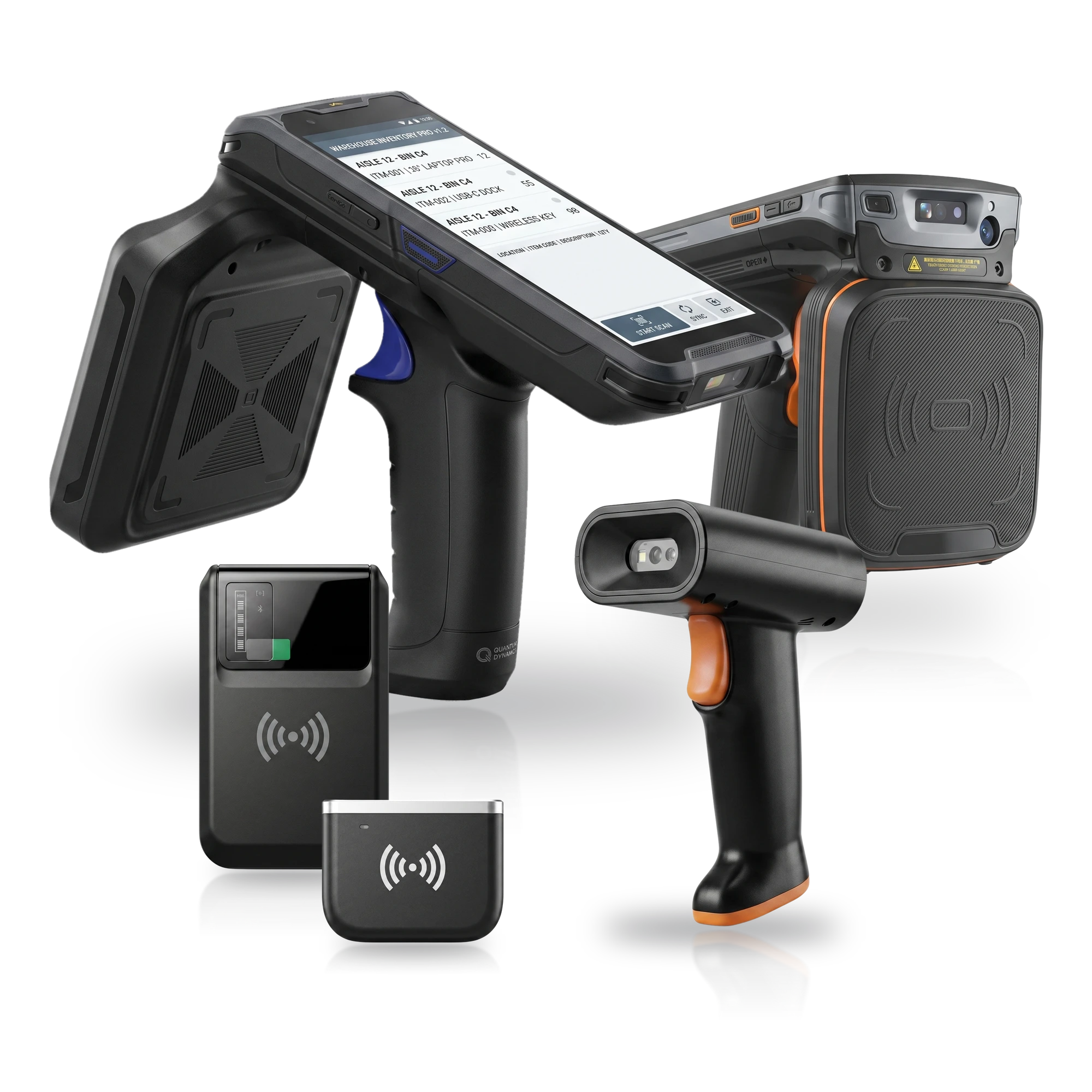
Handheld RFID reader families
Choose Android handheld, portable and USB RFID readers
Compare the operating form first, then confirm read distance, tag volume, barcode requirements, battery use, host connection and operating environment.
*Maximum RLRH-50 values depend on the tag, object, orientation, RF settings and test environment.
Product lineup
Handheld RFID Readers
Start with the operating form, then compare RFID range, tag volume, barcode requirements, battery use, host connection and environmental protection before selecting a model.
Android handheld readers
Mobile RFID Terminals for Daily Field Operations
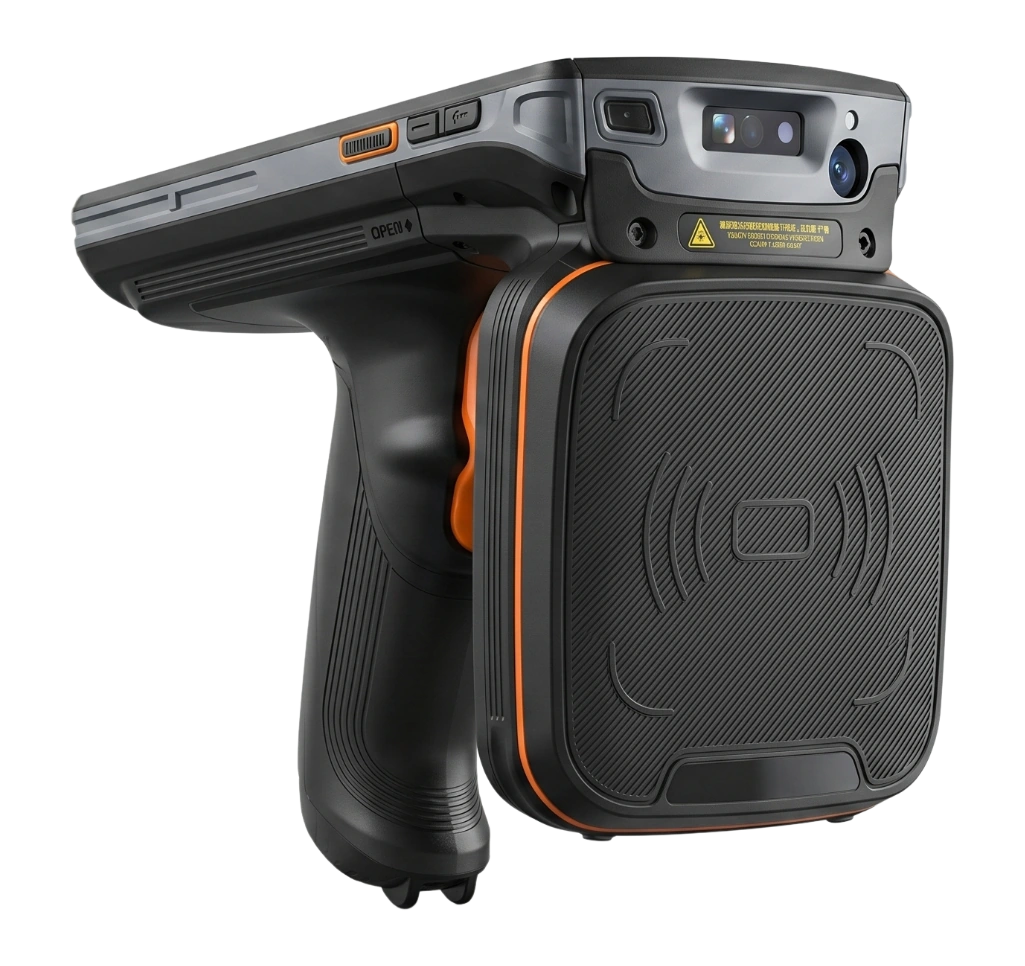
Long-range RFID inventory
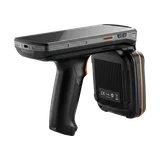
RLRH-50 Handheld RFID Reader
A long-range Android UHF RFID handheld designed for high-volume inventory and mobile identification workflows.
- Typical read range up to 20 m under reference conditions
- Tag capture rate up to 1,000 tags/s under reference conditions
- Android platform with 1D and 2D barcode support
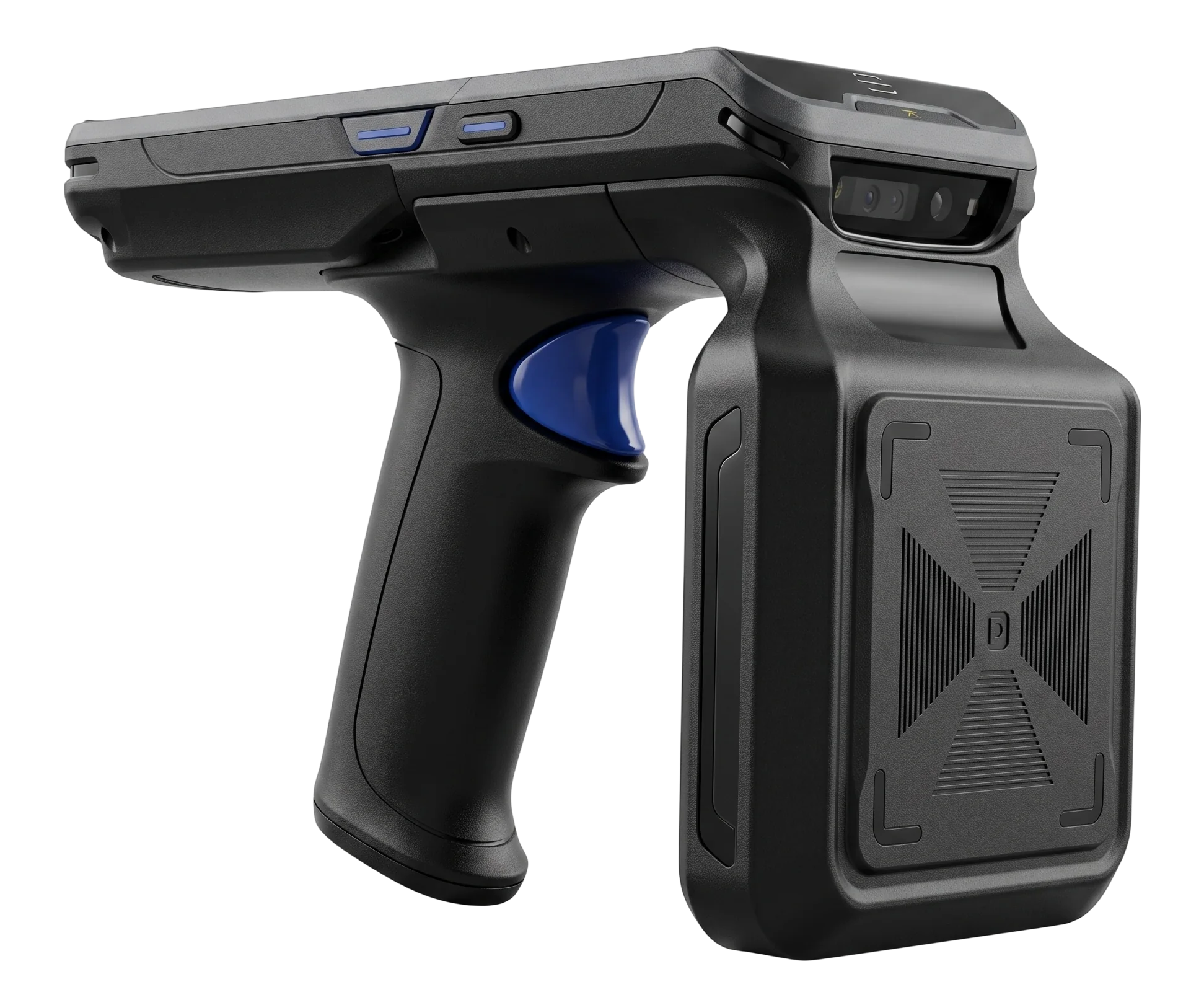
Android UHF RFID handheld
RLRH-20 Handheld RFID Reader
An Android handheld RFID terminal for mobile tag reading, record lookup and operator-guided warehouse and asset workflows.
- Best suited to warehouse inventory and asset capture
- Supports mobile RFID workflows through an Android application
- Confirm barcode, battery, wireless and protection requirements by project
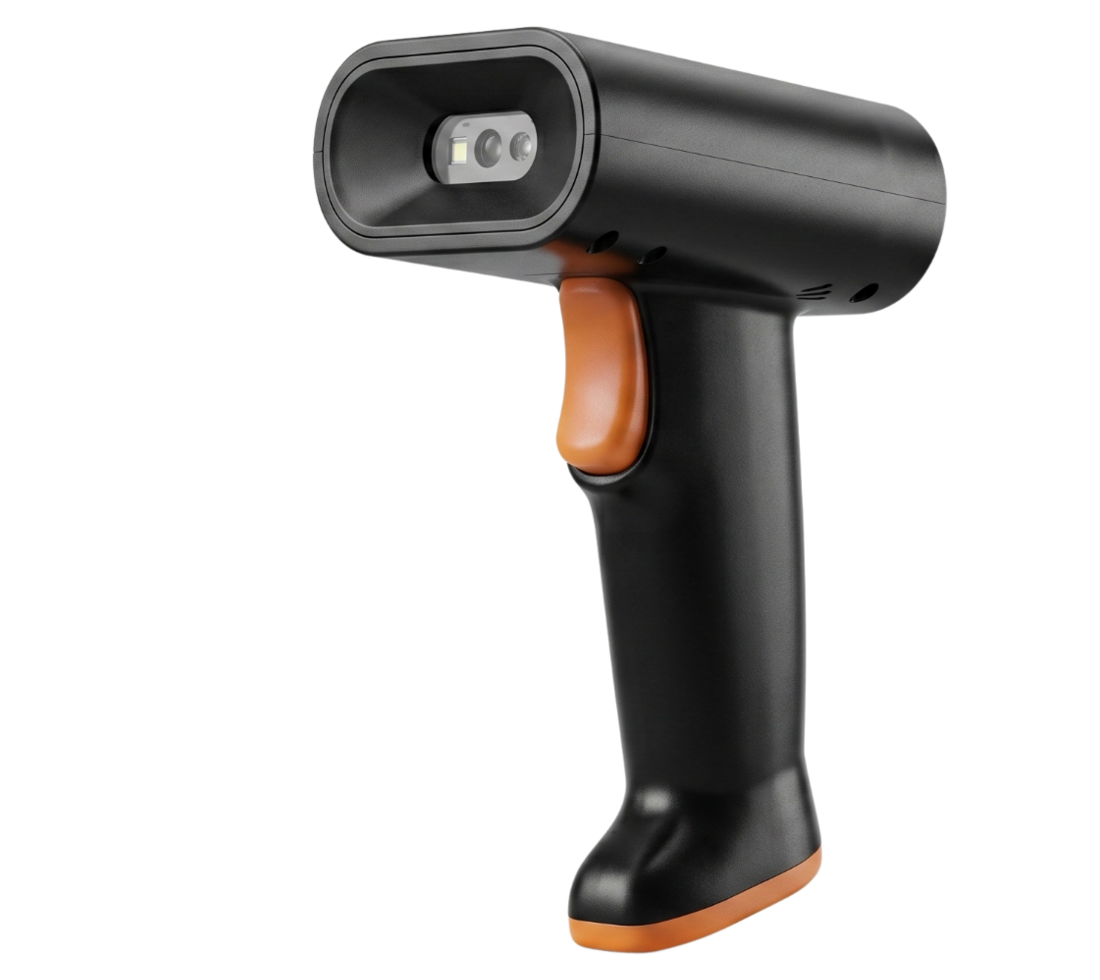
Industrial mobile RFID terminal
RLRH-35 Handheld RFID Reader
A mobile RFID reader for inventory, asset and operational workflows that require RFID data capture through an Android application.
- Best suited to warehouse inventory and asset capture
- Supports UHF RFID and barcode-assisted data collection
- Confirm read range, battery, connectivity and operating environment
Compact RFID readers
Portable and USB Readers for Lightweight RFID Tasks
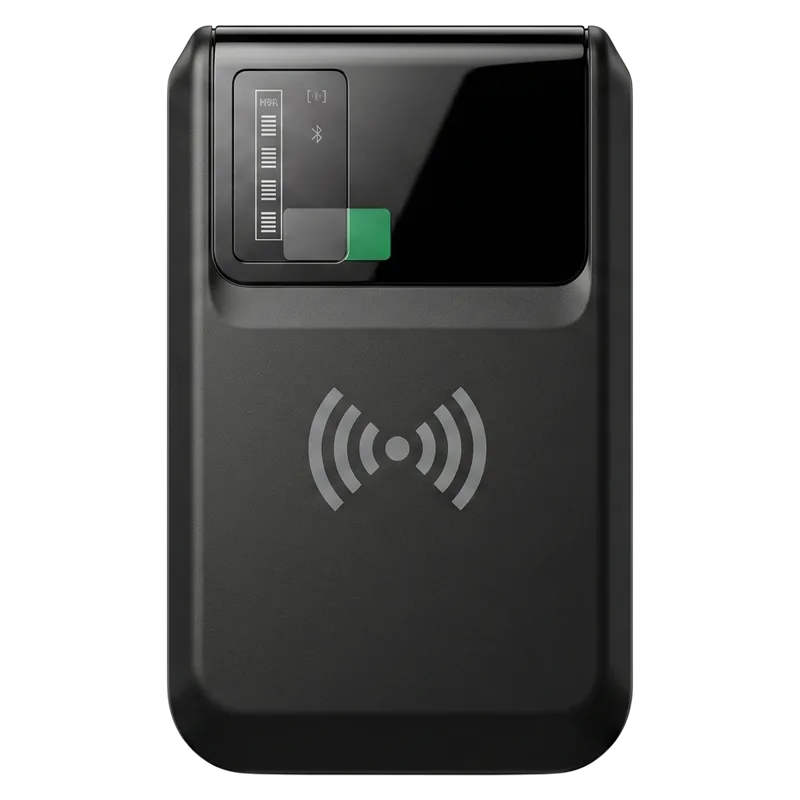
Portable UHF RFID reader
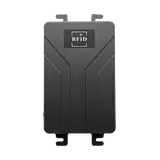
RLPR-100 Portable RFID Reader
A portable RFID reader designed to extend UHF RFID capture to a mobile host without using a full Android handheld terminal.
- Host environment: mobile
- Built-in 10000 mAh battery for portable operation
- Type-C connection for charging and host-connected workflows
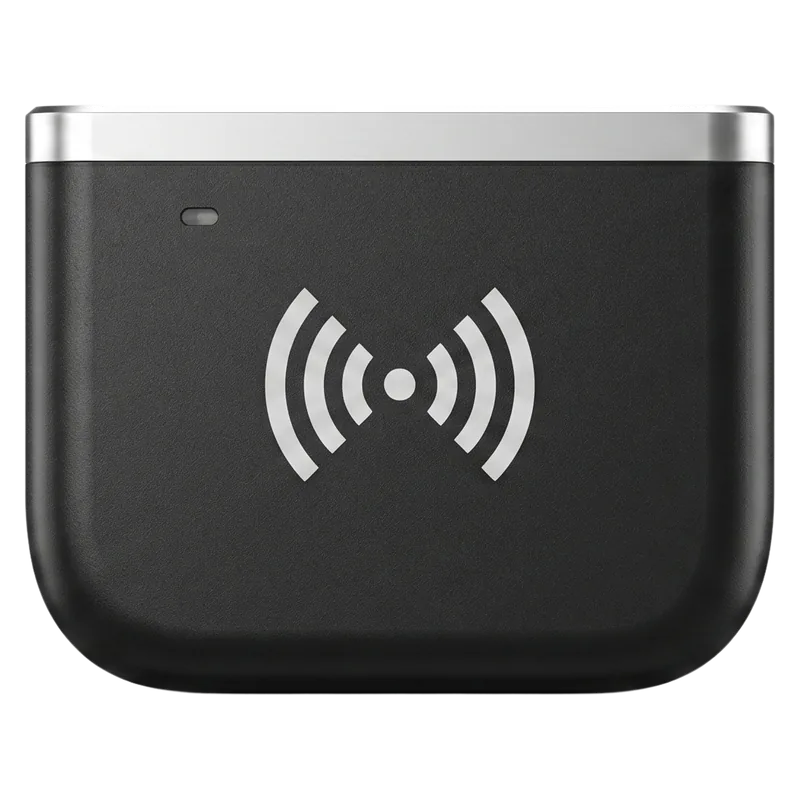
Compact USB RFID reader
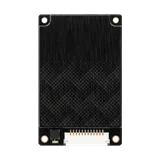
RLU-01 Mini USB RFID Reader
A compact Type-C RFID reader for close-range tag reading, desktop tools and host-connected application development.
- Type-C host connection
- Read distance up to 0.5 m under suitable tag and environment conditions
- SDK support for software integration
Reader comparison
Compare Handheld RFID Reader Forms and Workflows
Compare the operating form first, then confirm RFID range, tag volume, barcode requirements, battery use, host connection and deployment conditions.
| Category | Model | Operating form | RFID role | Host environment | Best for | What to confirm |
|---|---|---|---|---|---|---|
| Android Handheld | RLRH-50 | Integrated mobile terminal | Long-range, high-volume RFID capture | Android application | Warehouse inventory and asset capture | Distance and rate test conditions, barcode workflow, battery and site environment |
| Android Handheld | RLRH-20 | Integrated mobile terminal | Mobile RFID and record capture | Android application | Warehouse inventory and asset capture | Read range, barcode, battery, wireless connection and protection level |
| Android Handheld | RLRH-35 | Integrated mobile terminal | Mobile RFID and barcode capture | Android application | Warehouse inventory and asset capture | Read range, barcode workflow, battery life and operating environment |
| Portable | RLPR-100 | Portable host-assisted reader | Mobile UHF RFID capture | Mobile | Portable inventory, asset and field workflows | Type-C workflow, 10000 mAh battery endurance and paired mobile compatibility |
| USB | RLU-01 | Mini Type-C reader | Close-range host-connected RFID | PC or compatible host | Desktop reading and development tasks | Host compatibility, up-to-0.5 m boundary and SDK integration |
Selection logic
What to Confirm Before Choosing a Handheld RFID Reader
Confirm the operating form, read distance, tag volume, barcode requirements, power and software workflow before choosing a model.
Operating form
Choose a complete Android handheld, a portable mobile-host reader or a compact Type-C device.
Read distance
Define the actual distance between the operator, tagged object and intended read area.
Tag volume
Confirm whether the workflow reads one tag, a controlled group or a high-density inventory area.
Barcode requirements
Check whether the same workflow must capture 1D or 2D barcodes in addition to UHF RFID tags.
Power and connectivity
Confirm shift length, battery capacity, charging method, Type-C, wireless and host-device requirements.
Site validation
Test the reader with the actual tag, object, movement, surrounding materials and software workflow.
Mobile RFID workflows
Bring RFID Data Capture to the Operator and the Tagged Item
Use handheld and portable readers when identification must move with the operator to the tagged item instead of staying at a fixed read point.
Warehouse inventory
Capture tagged cartons, bins and stock locations while operators move through aisles and storage areas.
Asset and tool verification
Read asset tags and compare records during issue, return, audit and maintenance operations.
Production and field operations
Combine mobile RFID data with work orders, inspections, barcode records and process instructions.
FAQ
Handheld RFID Reader Questions
What is a handheld RFID reader used for?
Handheld RFID readers support mobile inventory, asset verification, barcode-assisted workflows and operator-guided field data collection.
How do I choose between RLRH-50, RLRH-20 and RLRH-35?
Compare the actual read distance, tag density, barcode requirements, shift length, software workflow and operating environment rather than choosing by model name alone.
Do all handheld RFID readers support barcode scanning?
Barcode support depends on the model and configuration. Confirm whether the workflow requires 1D, 2D or both barcode formats.
What is the difference between an Android handheld, portable reader and USB reader?
An Android handheld is a complete mobile terminal, RLPR-100 works with a mobile host, and RLU-01 is a compact Type-C reader for close-range host-connected tasks.
How should the maximum read distance be evaluated?
Validate distance with the actual tag, object, orientation, RF environment and application settings. Reference maximums are not guaranteed at every site.
What should be tested before deployment?
Test the reader, tag, object, barcode workflow, host software, network connection, battery use and real operating conditions together.
Project guidance
Need Help Choosing a Handheld RFID Reader?
Send the tagged object, required read distance, expected tag volume, barcode requirements, operating environment and host-software workflow.