
VEHICLE, YARD & TRANSPORT ASSETS
Identify vehicles and returnable transport assets at controlled movement points.
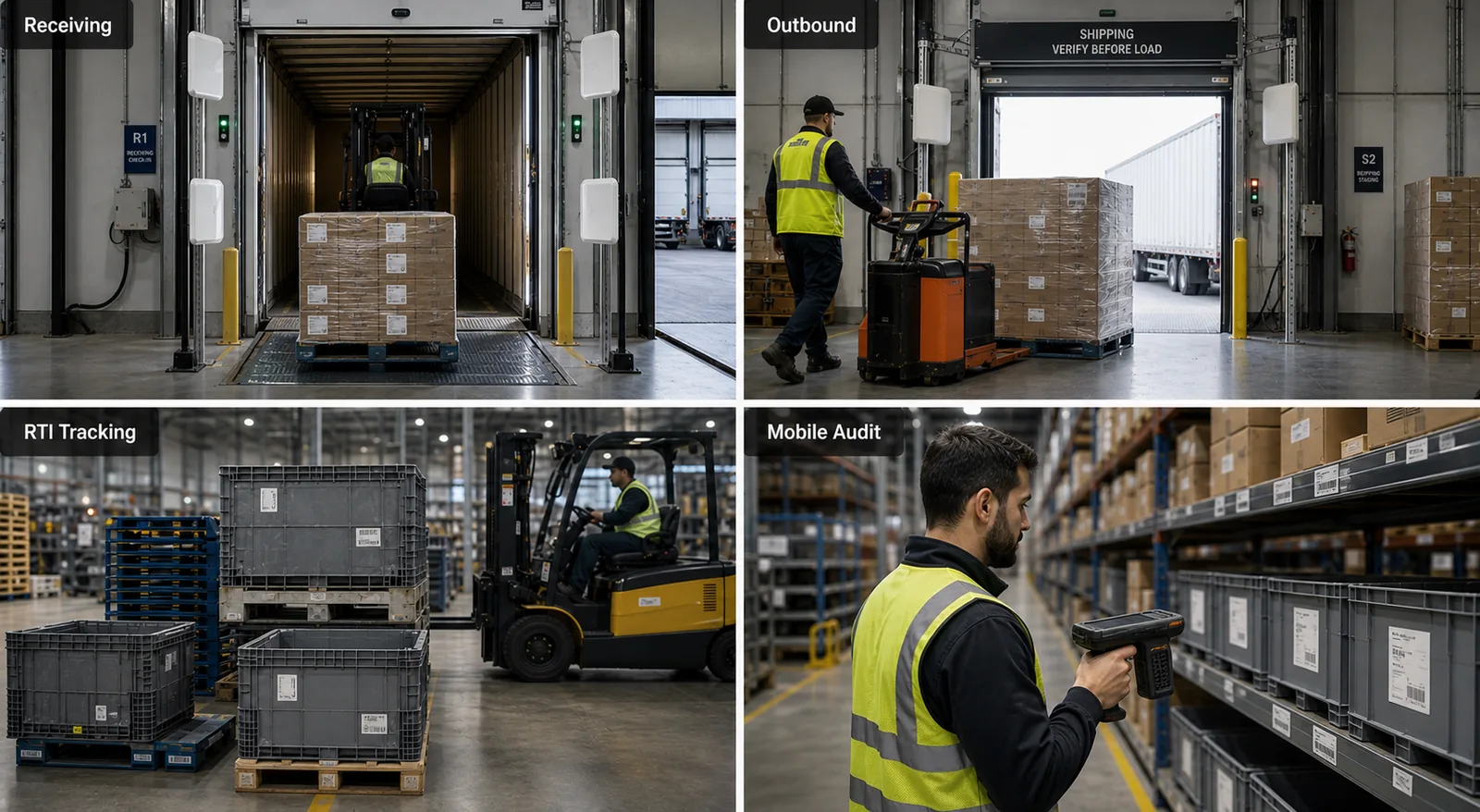
Plan RFID around the lane, vehicle speed, tag position, gate logic and enterprise event required at entry, exit, yard or transport-asset checkpoints.
Capture an approved vehicle identity at a controlled lane or gate.
Record selected movement between entry, staging, loading and exit zones.
Track trailers, cages, pallets, containers and reusable transport equipment.
Send accepted events to access, yard, fleet, WMS or ERP software.
OPERATIONAL FIT
Apply RFID where movement must create a clear gate or yard event
Vehicle and transportation projects fail when the lane, tag, antenna and access logic are treated separately. Design them as one controlled read point.
Vehicle access control
Identify authorized vehicles at gates, compounds, parking or facility entrances.
Yard and dock movement
Capture arrival, staging, loading, transfer and departure events.
Trailer and container visibility
Track transport assets through issue, dwell, movement and return.
Mobile asset audits
Use handheld readers to locate tagged transport equipment and resolve exceptions.
WORKFLOW ARCHITECTURE
Build the lane from the credential to the control-system decision
Tag the vehicle or asset
Select windshield, license-plate, rigid or on-metal construction around the mounting surface.
Capture the approach
Position antennas around lane width, approach angle, speed and adjacent traffic.
Validate the event
Filter duplicate and cross-lane reads, then check authorization or movement status.
Trigger the target system
Update access control, yard, fleet, WMS or ERP and handle the exception state.
DEPLOYMENT DECISIONS
Design vehicle RFID around lane isolation, mounting and movement
Windshields, metal bodies, vehicle angle, adjacent lanes and speed all influence performance. Test the complete lane with representative vehicles and operational behavior.
Tag location
Confirm windshield, plate, body, trailer or container mounting and material behavior.
Lane geometry
Validate approach angle, lane width, antenna height and adjacent traffic.
Movement speed
Test stop, slow approach, queue, reverse and tailgating conditions.
Weather and enclosure
Confirm outdoor rating, cabling, power, surge and environmental protection.
Control logic
Define authorization, duplicate, wrong-lane, unknown-tag and barrier-response rules.
The supplied WordPress preview URL could not be inspected without the logged-in preview session. This vehicle / transportation page is based on the existing Raylink navigation label. Confirm that page ID 4351 is the same topic before publishing.
RELATED HARDWARE
Match the hardware to the vehicle or yard checkpoint
Hardware is shown by workflow role. Final model, antenna, tag and interface selection should follow sample or site validation.
Integrated RFID readers
Open the product family for models, specifications and technical resources.
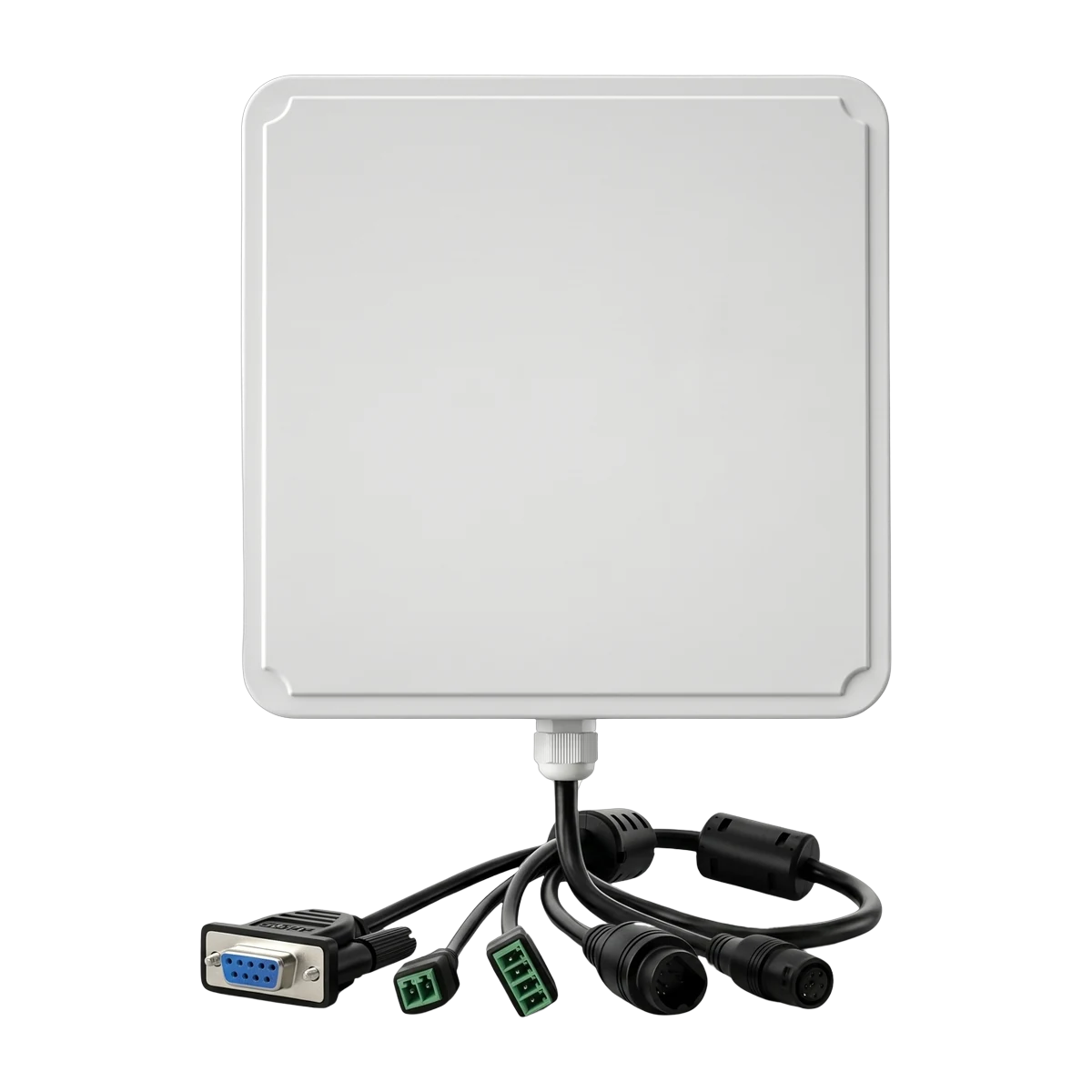
For compact outdoor or lane installations where reader and antenna are combined.
Fixed RFID readers
Open the product family for models, specifications and technical resources.
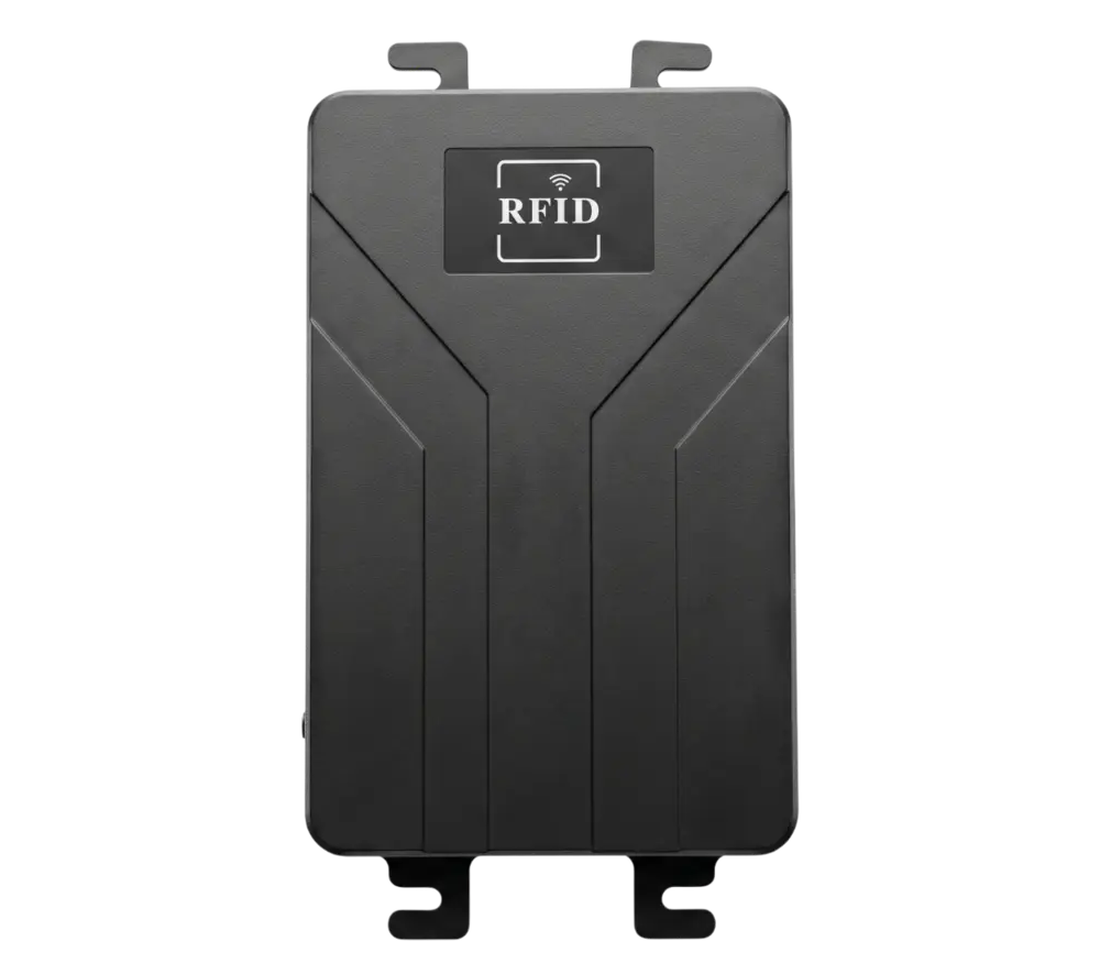
For multi-lane, multi-antenna or edge-controlled vehicle checkpoints.
Vehicle and industrial tags
Open the product family for models, specifications and technical resources.
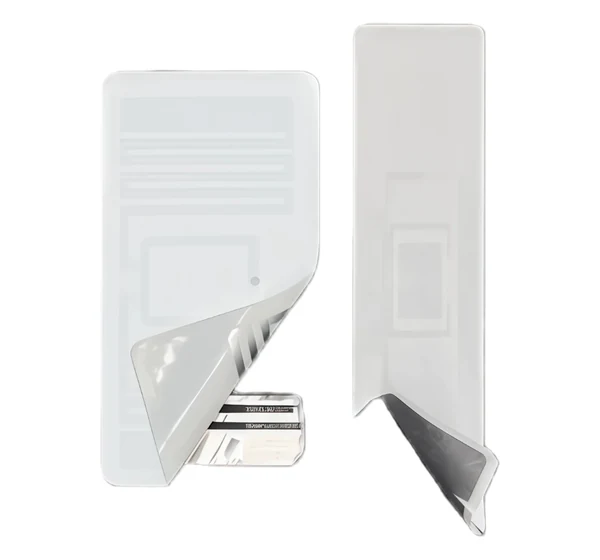
For windshield, plate, metal body, trailers, containers and returnable assets.
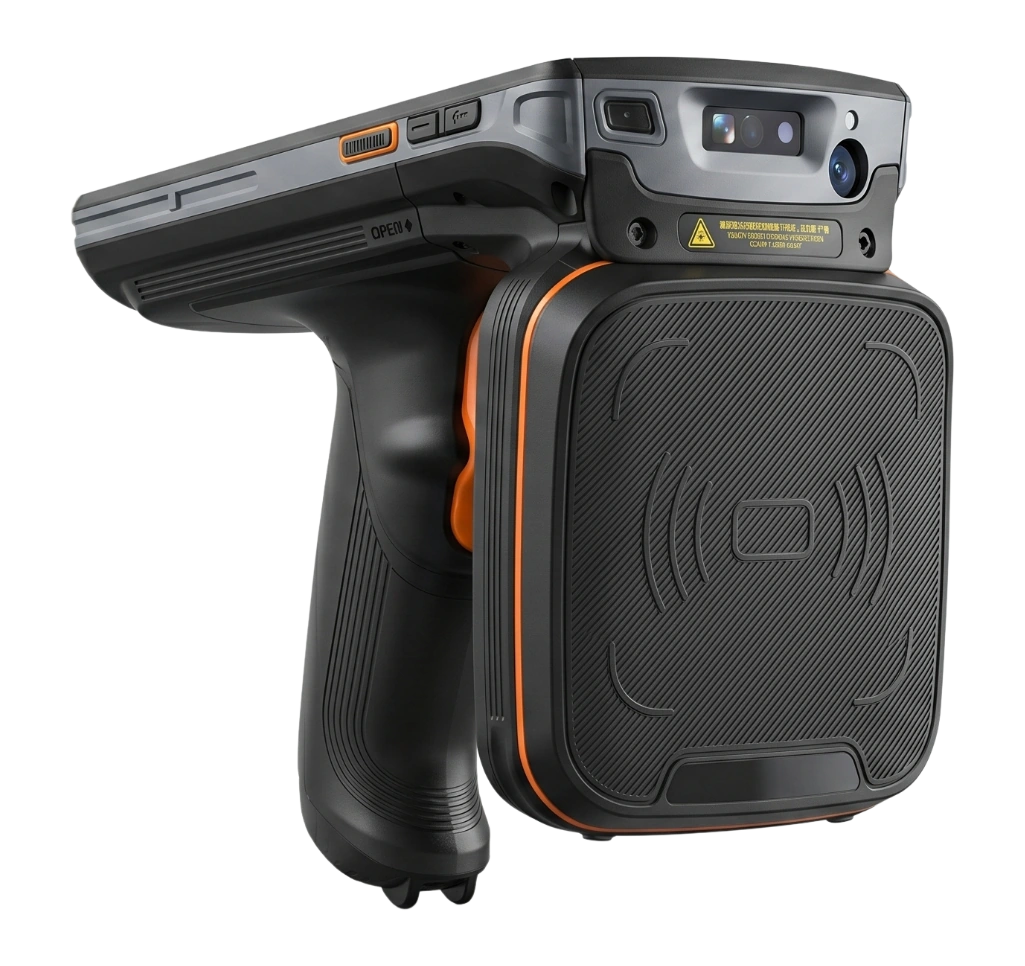
Handheld RFID readers
Open the product family for models, specifications and technical resources.
For yard audits, asset search and exception handling.
PILOT & ACCEPTANCE
Pilot the real lane, vehicles and control logic
Use representative vehicle types, tag positions and traffic behavior. Define both accepted reads and false-read limits before connecting barrier or access actions.
Approach, width, adjacent lanes, antenna position and enclosure.
Representative windshields, body materials, trailers and tag positions.
Queue, reverse, tailgating, speed and simultaneous movement.
Authorization, barrier response, unknown tag and audit record.
FAQ
Questions to resolve before deployment
Can one antenna cover two adjacent vehicle lanes?
It may physically read both lanes, but that is often the problem. Controlled lane identification usually requires isolation, antenna planning and event logic.
Where should a vehicle RFID tag be mounted?
The answer depends on the tag construction, windshield coating, plate or metal body, read angle and required security. Test the actual vehicle types.
Can RFID open a barrier automatically?
RFID can provide the identity event, but the access-control system must own authorization, safety interlocks and barrier logic.
What should a vehicle pilot measure?
Required reads, cross-lane reads, duplicate events, queue behavior, speed, reverse movement and the correct access-system response.
PROJECT REVIEW
Bring the lane drawing and vehicle types to the project review.
Share the vehicle or asset, tag location, lane width, speed, adjacent lanes, outdoor conditions, access logic and target system interface. Raylink can review the reader, antenna and tag direction.