
LAUNDRY & TEXTILE LIFECYCLE
Track reusable textiles from collection to clean return.
Select washable RFID tags and read points around the actual textile, attachment method, wash process, batch density and return workflow.
Assign a durable item identity to linen, uniforms and reusable garments.
Capture multiple textiles during intake, sorting, processing and distribution.
Connect circulation and wash events with the laundry software workflow.
Test attachment, folding, wet loads, chemicals, heat and reader placement before scale.
OPERATIONAL FIT
Apply RFID across the textile circulation loop
The most important design choice is not the reader model. It is whether the selected tag and attachment survive the real process and remain readable in the actual batch condition.
Laundry intake and sorting
Identify incoming linen, uniforms or garments at collection, reception and sorting points.
Wash and process checkpoints
Record selected process handoffs where the workflow needs status visibility.
Distribution and reissue
Confirm clean stock leaving the laundry or returning to a customer, ward or department.
Cages, carts and returnable assets
Track the containers that move textiles between the laundry and customer locations.
WORKFLOW ARCHITECTURE
Build the system around the textile lifecycle
Tag the textile
Choose sew-in, heat-seal, pouch, button or other construction around the material and process.
Capture intake and sorting
Read textiles or batches as they enter collection and classification workflows.
Record process handoffs
Create selected wash, clean-stock, distribution or return events.
Reconcile circulation
Update the laundry platform with item, batch, customer and lifecycle records.

DEPLOYMENT DECISIONS
Validate tag durability and batch readability in the real wash process
Water, chemicals, heat, pressure, folding and dense wet stacks affect the tag and the read zone. Use the actual textile and process conditions during sample testing.
Tag construction
Confirm UHF or HF technology, dimensions, housing and expected process exposure.
Attachment method
Test sew-in, heat-seal, pouch or button placement on the actual textile.
Wash conditions
Document peak temperature, pressure, chemicals, drying and finishing processes.
Batch density
Test folded, loose, dry and wet textile groups in realistic quantities.
Customer circulation
Define issue, return, loss, reject and rewash events in the laundry platform.
RELATED HARDWARE
Match RFID hardware to each laundry checkpoint
Hardware is shown by workflow role. Final model, antenna, tag and interface selection should follow sample or site validation.
Washable laundry RFID tags
Open the product family for models, specifications and technical resources.
For linen, uniforms, garments and reusable textile identification.

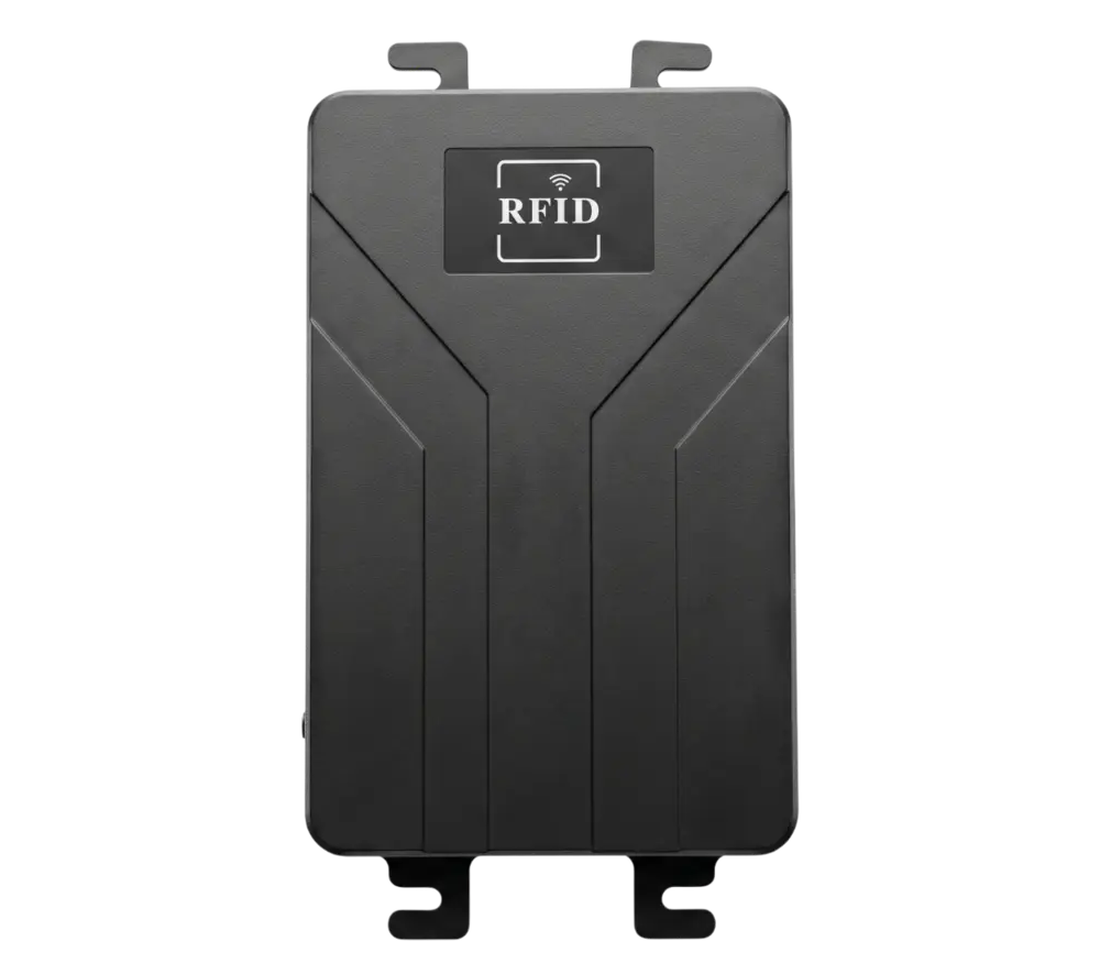
Fixed RFID readers
Open the product family for models, specifications and technical resources.
For intake, sorting, controlled processing and distribution checkpoints.
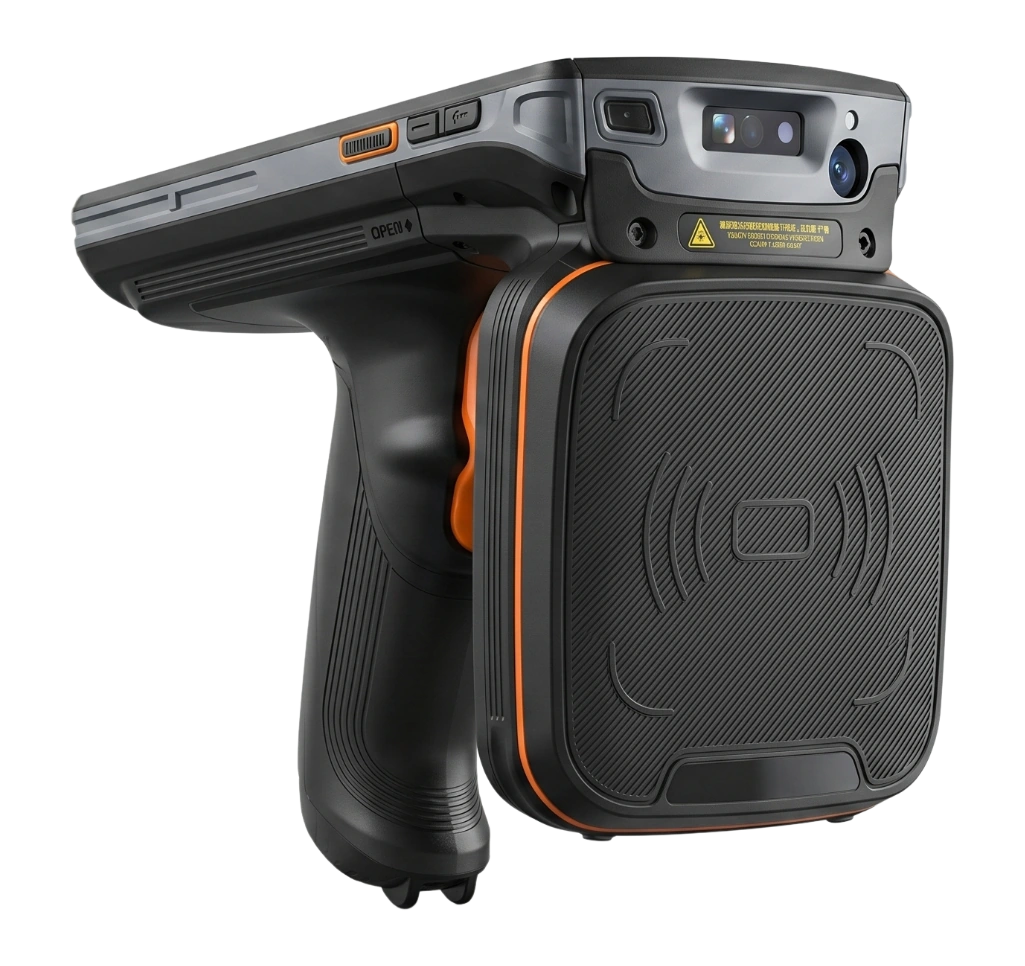
Handheld RFID readers
Open the product family for models, specifications and technical resources.
For mobile inventory, exception handling and customer-site audits.
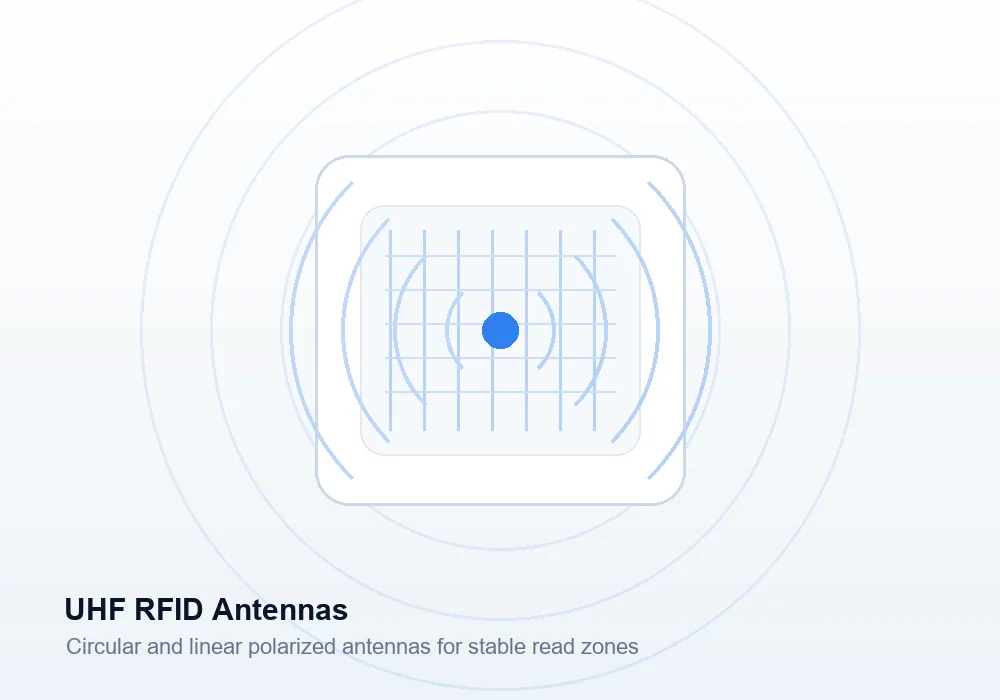
Antennas and read stations
Open the product family for models, specifications and technical resources.
For planned batch read zones, portals, tables, cabinets or conveyor stations.
PILOT & ACCEPTANCE
Test the tag through the real textile process before scaling
A useful laundry pilot includes the actual textile, attachment process, wash cycle, batch configuration, reader station and software event—not a dry tabletop read alone.
Representative fabric, size and folding behavior.
Wash, chemical, heat, pressure, dry and finish conditions.
Real batch quantity, orientation and movement.
Issue, receive, wash, reject, distribute and return logic.
FAQ
Questions to resolve before deployment
Can standard adhesive RFID labels be used for industrial laundry?
Usually not. Laundry projects require a tag construction and attachment method designed for repeated water, heat, chemicals, pressure and mechanical handling.
Should a laundry project use UHF or HF RFID?
Both technologies exist. The choice depends on the installed equipment, required batch behavior, tag size, process design and software ecosystem.
Where should the RFID tag be attached?
The position depends on textile type, wearer comfort, folding, pressing, process exposure and reader orientation. Validate the attachment on the actual item.
What is the first laundry pilot checkpoint?
Start with one textile family and one circulation loop, then test intake, processing or distribution reads with real batch sizes.
PROJECT REVIEW
Bring the textile and wash-process details to the hardware review.
Share the textile type, attachment method, wash chemistry, peak temperature, pressure, batch size, read station and software events. Raylink can review the tag and reader direction.