
RETAIL & ITEM-LEVEL VISIBILITY
Build item-level inventory workflows from source tagging to store operations.
Connect RFID labels, printing, receiving, cycle counting, replenishment and exit workflows around the item, packaging and software process that the retailer actually uses.
Apply and encode the item identity at the appropriate production or distribution step.
Use handheld or fixed capture for cycle counts, replenishment and item search.
Confirm tagged goods at receiving, packing or distribution checkpoints.
Synchronize accepted events with ERP, WMS, OMS or retail inventory platforms.
OPERATIONAL FIT
Design retail RFID around the item lifecycle
Retail RFID is not only a store-counting project. The tag identity, encoding process and data ownership should remain consistent from source to distribution and store operations.
Source tagging and encoding
Select the label, inlay, adhesive, print format and encoding process around the product and packaging.
Store cycle counting
Use mobile bulk capture to support inventory reviews, item search and replenishment.
Receiving and shipment verification
Confirm cartons, cases or item-level goods at distribution and store handoff points.
Checkout, returns and exit workflows
Add RFID capture where the retail system needs item confirmation, return handling or controlled exit information.
WORKFLOW ARCHITECTURE
Keep one serialized identity across the retail flow
Create the item identity
Define EPC, SKU association, label construction and print / encode rules.
Verify at source or DC
Confirm encoded items and shipment content before downstream movement.
Use the identity in store
Count, locate, replenish, sell or return the same serialized item.
Reconcile the enterprise record
Update ERP, WMS, OMS, POS or inventory software with accepted events.

DEPLOYMENT DECISIONS
Match the label and read method to the product and retail environment
Apparel, cosmetics, liquids, metal-packaged goods and small items behave differently. Label performance, placement, store density and the operating workflow must be tested together.
Item and packaging
Confirm material, size, curvature, metal, liquid and the final tag position.
Encoding ownership
Define who creates the EPC, verifies encoding and links it to the item master.
Read method
Choose handheld, desktop, overhead, portal or gate capture according to the workflow.
Store density
Test nearby inventory, fitting rooms, stockrooms and adjacent exit or checkout zones.
Enterprise workflow
Define how ERP, WMS, OMS, POS and inventory systems handle each event and exception.
RELATED HARDWARE
Match the hardware to each retail stage
Hardware is shown by workflow role. Final model, antenna, tag and interface selection should follow sample or site validation.
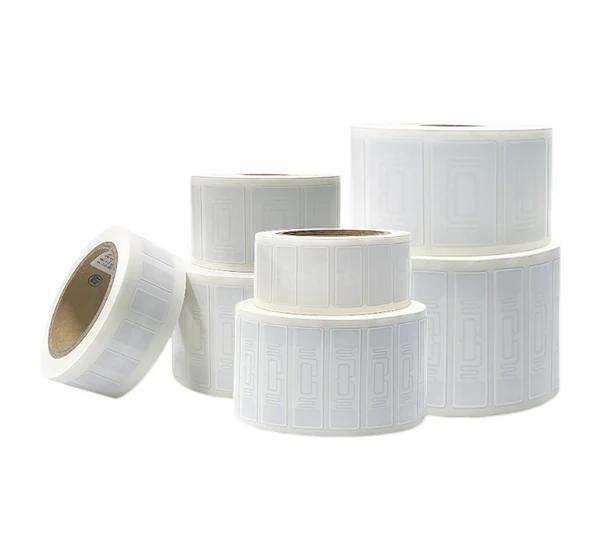
RFID labels and inlays
Open the product family for models, specifications and technical resources.
For source tagging, item-level identification and product-specific constructions.
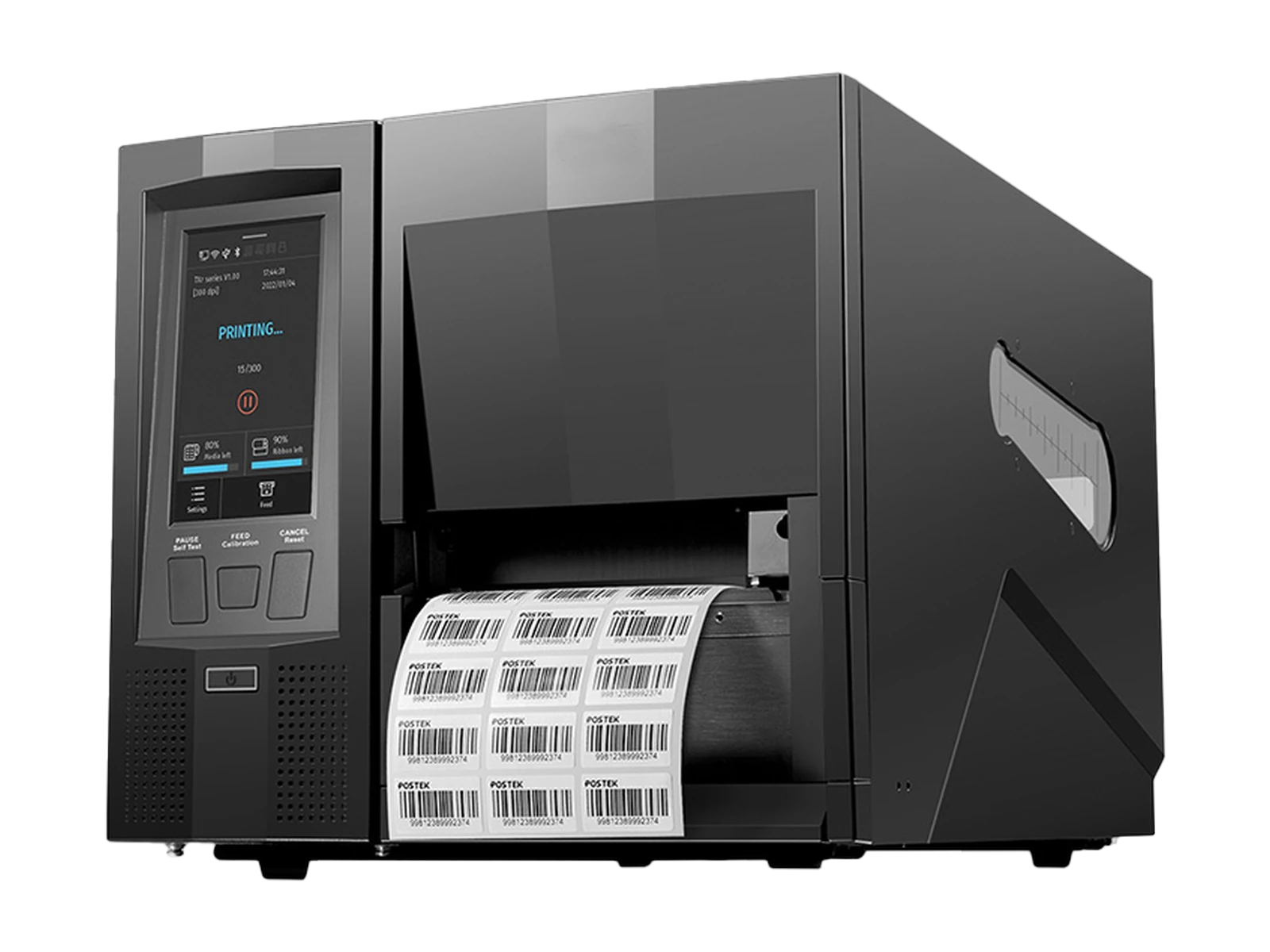
RFID printers and encoders
Open the product family for models, specifications and technical resources.
For controlled print, encode and verification workflows.
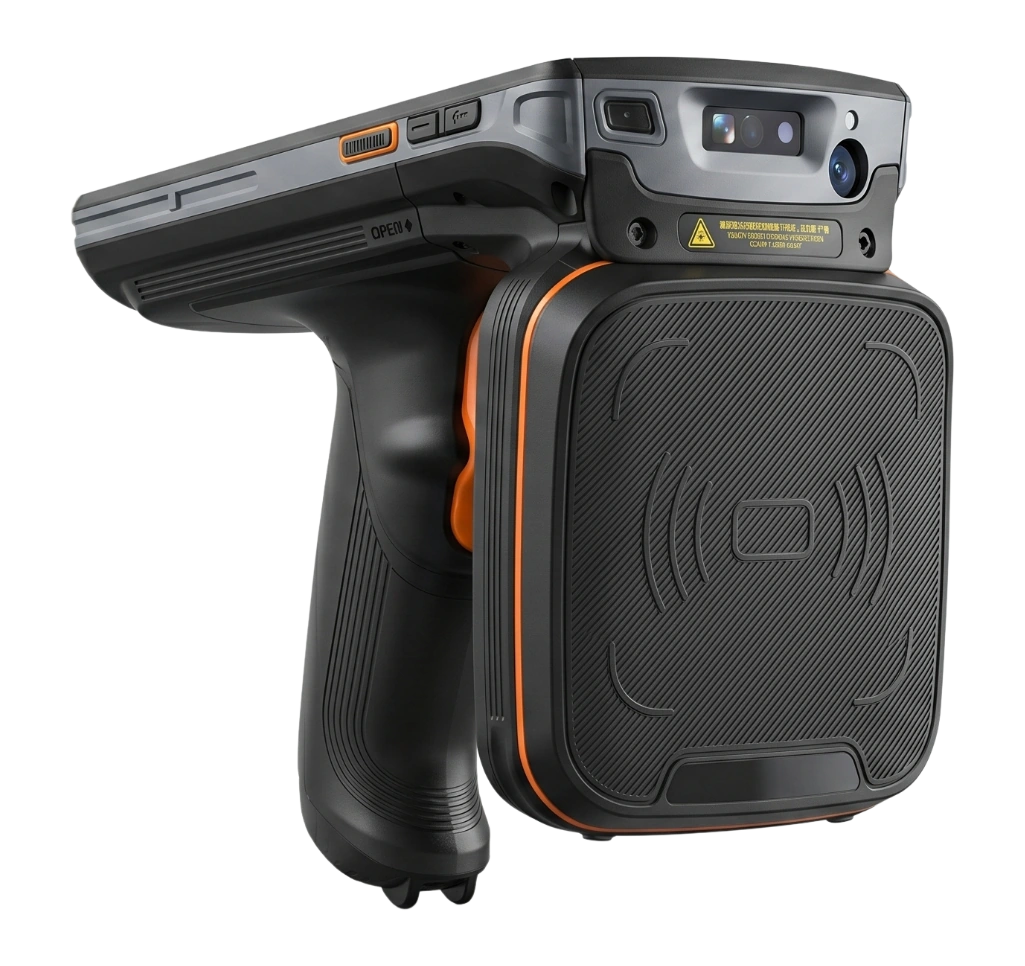
Handheld RFID readers
Open the product family for models, specifications and technical resources.
For cycle counting, replenishment, item search and exception handling.
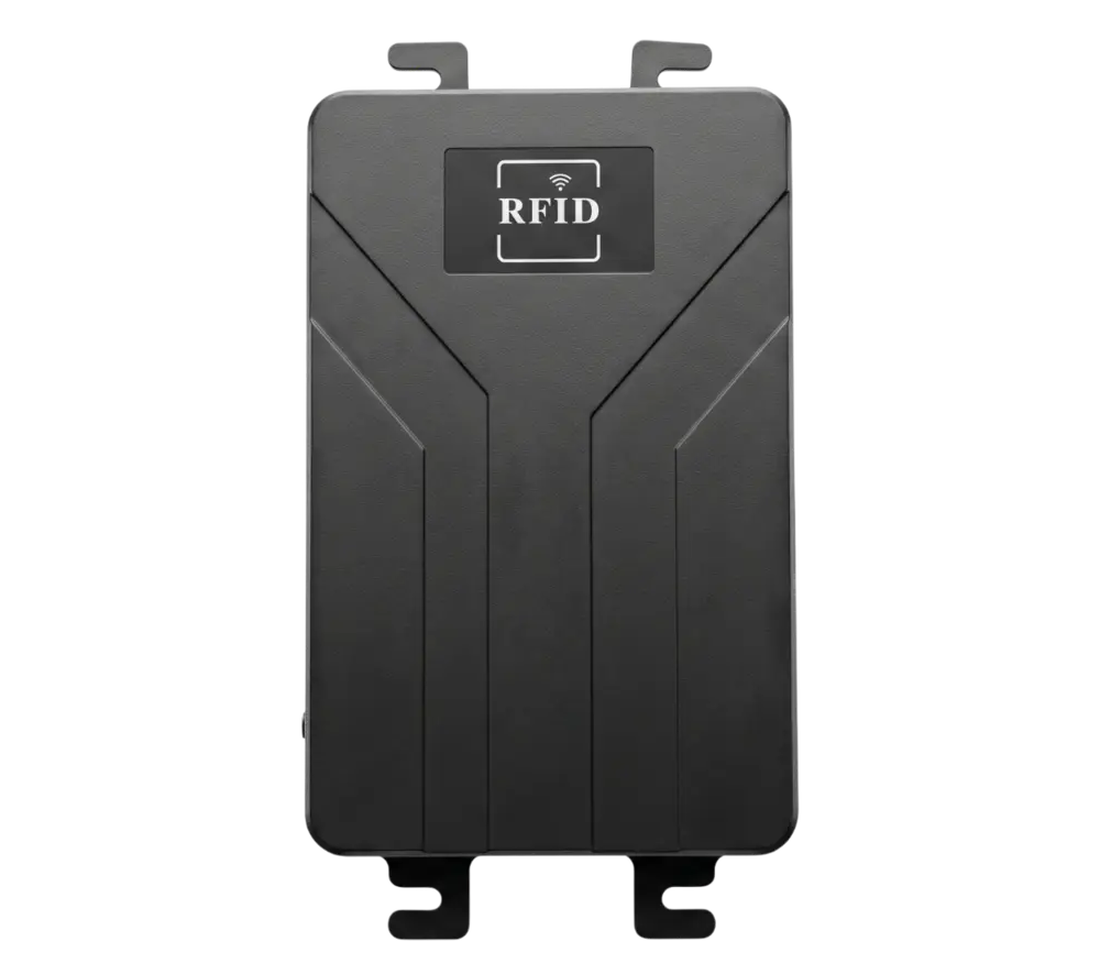
Fixed, ceiling and gate readers
Open the product family for models, specifications and technical resources.
For receiving, automated capture, service points and controlled exits.
PILOT & ACCEPTANCE
Pilot the item, encoding process and operating workflow together
A retail pilot should validate the label on the real product, encoding quality, store or DC read behavior and the software reconciliation process—not only the reader range.
Representative materials, sizes and packaging conditions.
Label construction, EPC rule, printer setup and verification.
Count, receive, ship, return or exit process with real staff movement.
Item master, expected transaction and exception handling.
FAQ
Questions to resolve before deployment
Is the same RFID label suitable for every retail product?
No. Apparel, cosmetics, liquids, metal packaging and small items may require different inlays, label sizes and placement.
Should tagging happen in the store or at the source?
Source tagging often provides a cleaner item identity across the supply chain, but the right point depends on supplier capability, printing, data ownership and retailer requirements.
Can RFID support omnichannel inventory?
RFID can improve item-level inventory capture, but omnichannel availability also depends on software reconciliation, process discipline and exception handling.
Does RFID replace barcode at checkout?
Not necessarily. RFID and barcode can coexist; the final architecture depends on POS, return, security and customer-experience requirements.
PROJECT REVIEW
Start with the product, tag identity and retail workflow.
Share the item materials, label size, encoding rule, source-tagging point, store or DC workflow, required readers and target ERP / WMS / POS environment. Raylink can review the hardware path.