
MANUFACTURING & AUTOMOTIVE
Make WIP, tools and production handoffs visible at controlled checkpoints
Use UHF RFID to capture physical production events where materials, carriers, fixtures and finished goods change status or move between processes.
Record movement between defined process steps.
Support issue, return and location workflows for reusable production assets.
Add embedded RFID to cabinets, machines or verification stations.
Convert accepted reads into production events owned by the customer system.
OPERATIONAL FIT
Start with the production events that are difficult to capture manually
RFID adds the most value where repeated line-of-sight scanning interrupts flow, creates delayed records or leaves movement between stations invisible.
Work-in-progress tracking
Capture WIP movement between staging, production, inspection and handoff points.
Line-side material verification
Confirm that the expected material, carrier or component reaches the correct station.
Tool, mold and fixture management
Support issue, return, search and department-transfer workflows for reusable assets.
Finished-goods handoff
Connect production completion with warehouse receipt or outbound staging.
WORKFLOW ARCHITECTURE
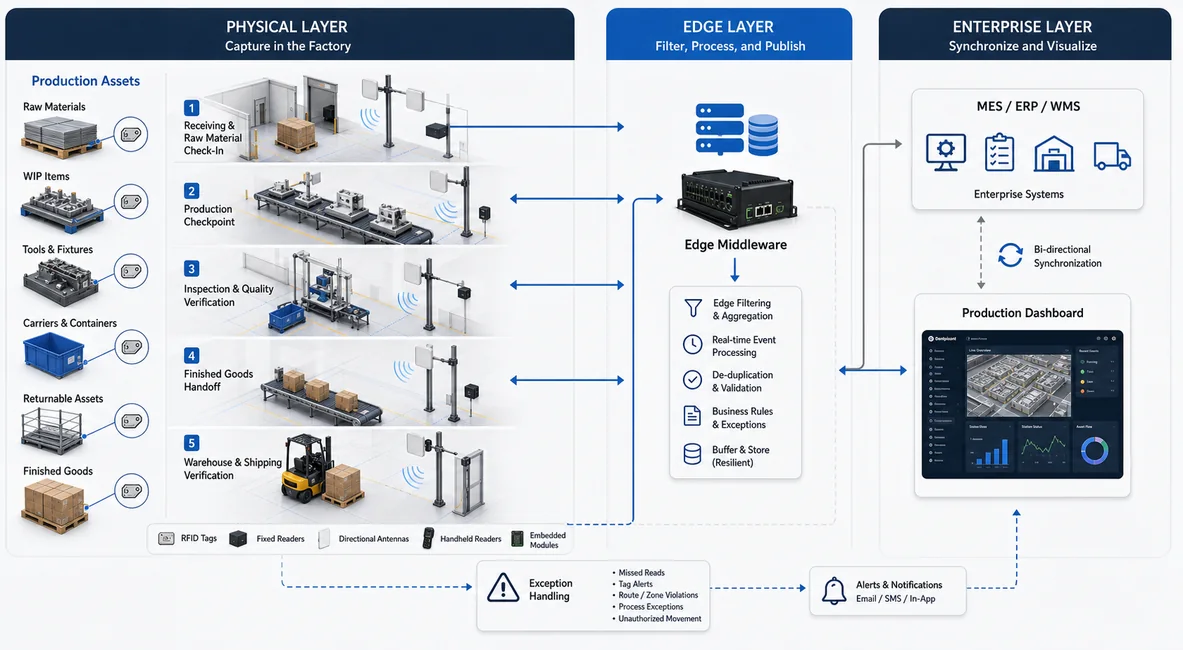
Turn a tag read into a production event
Define the process identity
Associate each WIP item, carrier, tool or fixture with the required production record.
Capture at the checkpoint
Read the item at a station, transfer point, machine or mobile audit workflow.
Apply process logic
Filter duplicates and verify the station, expected order, route or material condition.
Update MES or ERP
Send an accepted process event to the system that owns production status and exceptions.
DEPLOYMENT DECISIONS
Design the read zone around station boundaries and material behavior
Metal machinery, adjacent stations, moving carriers and dense production layouts can create unwanted reads. The pilot must prove where a read begins, where it ends and what software action follows.
Station isolation
Separate adjacent production stations and define the physical boundary of each event.
Material and mounting
Validate tags on metal tools, carriers, containers, liquids and production materials.
Movement speed
Test dwell time, orientation and antenna placement at real conveyor or transfer speeds.
Process logic
Define which reads create status changes and which reads are ignored or treated as exceptions.
Fallback workflow
Keep a clear process for unread tags, damaged tags and manual confirmation.
RELATED HARDWARE
Match the hardware to the manufacturing task
Hardware is shown by workflow role. Final model, antenna, tag and interface selection should follow sample or site validation.
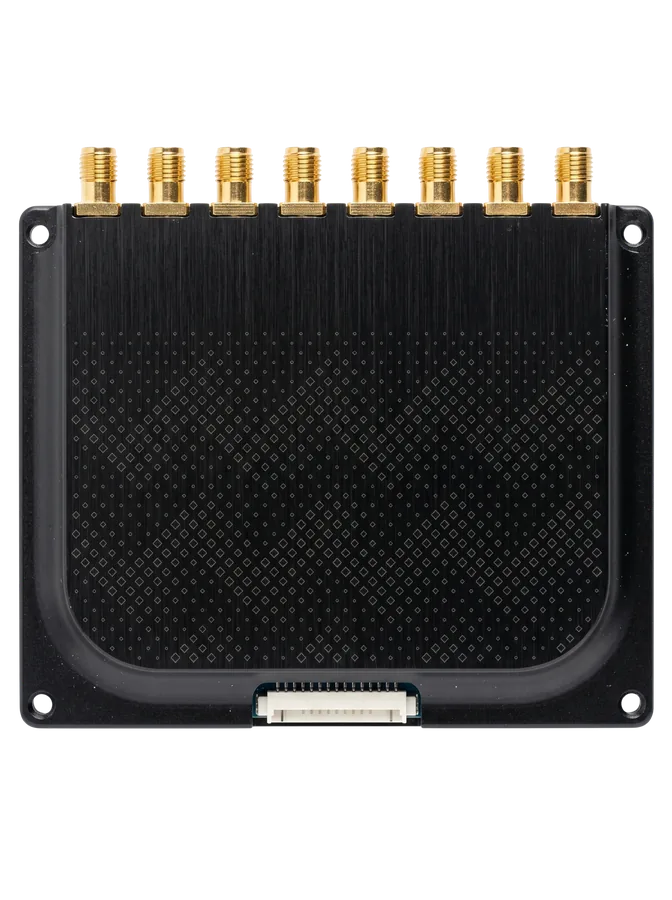
Embedded reader modules
Open the product family for models, specifications and technical resources.
For machines, cabinets, verification stations and OEM production equipment.
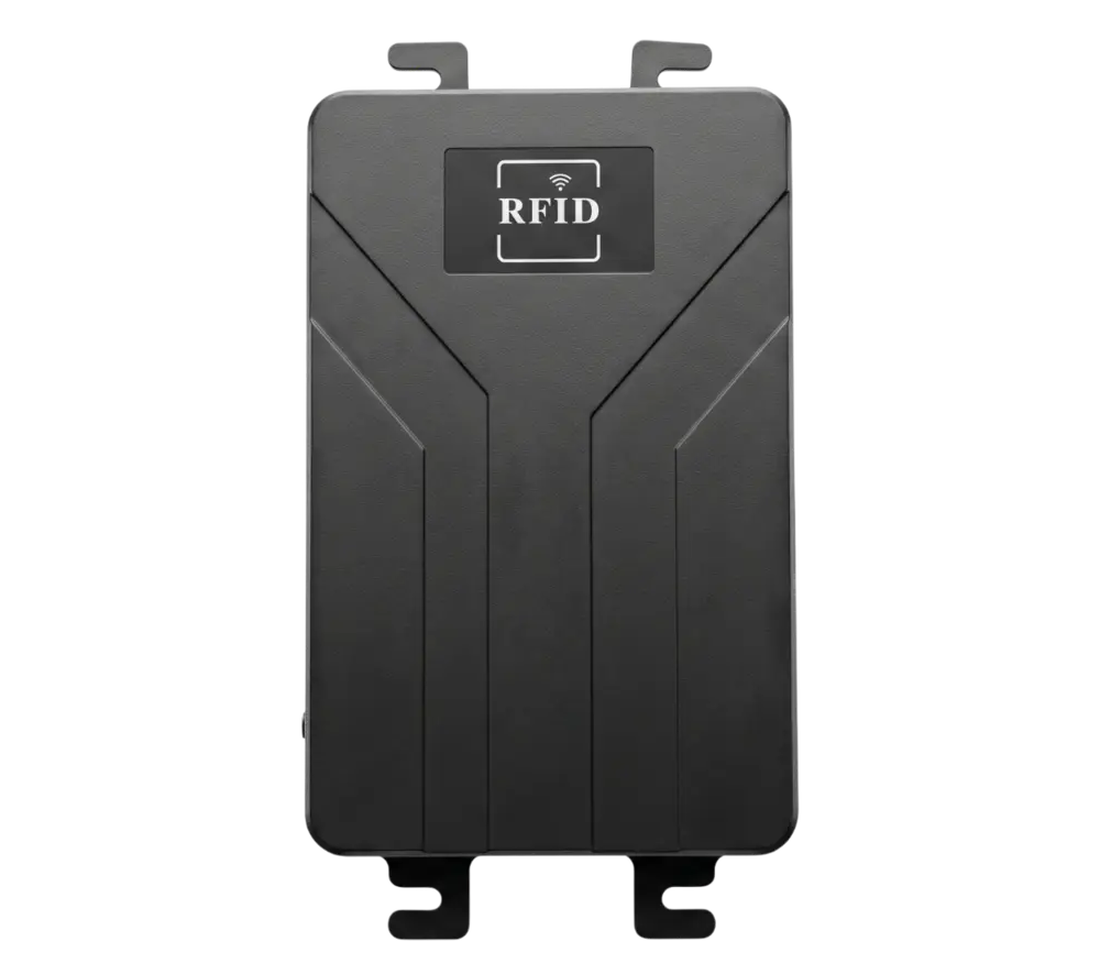
Fixed and edge readers
Open the product family for models, specifications and technical resources.
For multi-antenna checkpoints, conveyors, gates and production handoffs.
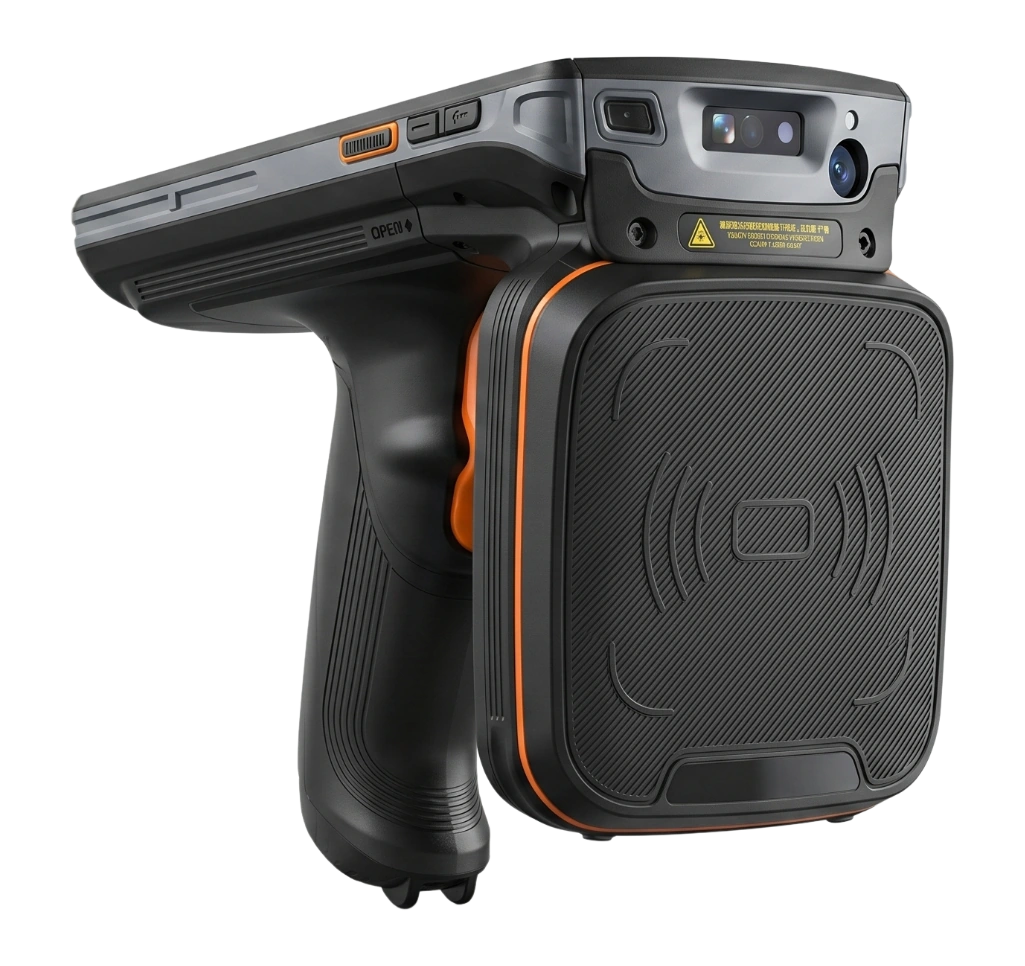
Handheld RFID readers
Open the product family for models, specifications and technical resources.
For tool audits, exception handling, WIP search and mobile verification.
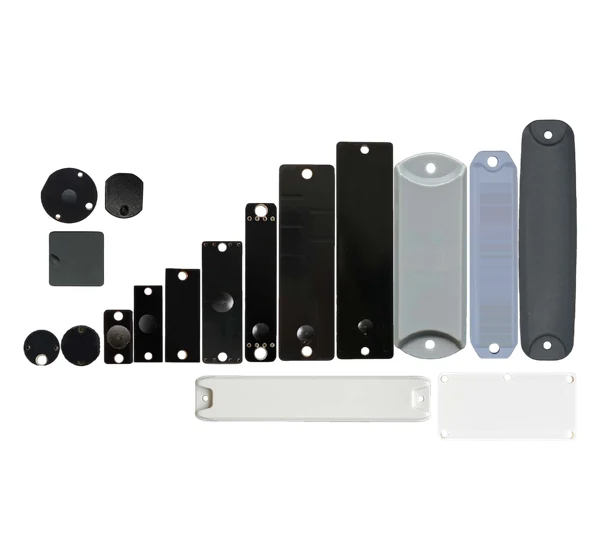
Industrial RFID tags
Open the product family for models, specifications and technical resources.
For metal assets, carriers, tools, containers and process-resistant applications.
PILOT & ACCEPTANCE
Pilot one production event before connecting an entire factory
Choose a bounded workflow—such as one WIP transfer, one tool room or one production-to-warehouse handoff—and prove read-zone behavior, process logic and system ownership.
One line, station pair, tool room or handoff.
Actual materials, carriers, tools and mounting positions.
Expected reads, duplicate filtering and wrong-route handling.
Accepted payload, response logic and ownership of exceptions.
FAQ
Questions to resolve before deployment
Can RFID work around metal machinery?
Yes, but the tag, antenna position and read-zone design must be validated around the actual metal geometry and nearby equipment.
Can RFID integrate with MES or ERP?
Yes. Readers or edge software can provide structured events, but the customer or integrator must define the process model, API or middleware handoff.
Should RFID replace every barcode station?
No. RFID is most useful for automated checkpoints, bulk capture and repeated movement. Barcode can remain for single-item confirmation and exceptions.
Why do manufacturing RFID pilots fail?
Common causes include poor tag placement, overlapping read zones, unclear process ownership, untested movement speed and scaling before acceptance criteria are proven.
PROJECT REVIEW
Define the production event before selecting the hardware.
Share the item, material, station layout, movement, required process decision, regional frequency, host interface and MES / ERP handoff. Raylink can review a practical pilot architecture.