
HEALTHCARE ASSET VISIBILITY
RFID hardware for medical asset visibility and controlled hospital workflows.
Plan mobile asset audits, supply-room inventory, equipment handoffs and controlled read points around the real hospital environment—not a generic reader specification.
Locate and count tagged equipment without scanning every label individually.
Capture selected movement at storage rooms, department entrances or process zones.
Review metal frames, liquids, cleaning routines and mounting positions.
Route validated events to the customer’s asset, inventory or hospital platform.
OPERATIONAL FIT
Where RFID can reduce manual handling in healthcare operations
The most useful starting point is a defined operational workflow. Do not begin by trying to track every asset and every room at once.
Shared medical equipment
Support inventory checks and equipment-location workflows for pumps, wheelchairs, monitors, carts and other mobile assets.
Supply-room inventory
Capture tagged consumables or reusable items in controlled storage and replenishment workflows.
Mobile carts and workstations
Improve visibility when carts move between departments, staging areas and storage locations.
Reusable trays and tools
Record handoffs across storage, use, cleaning and redeployment when the tag and cleaning process are validated together.
WORKFLOW ARCHITECTURE
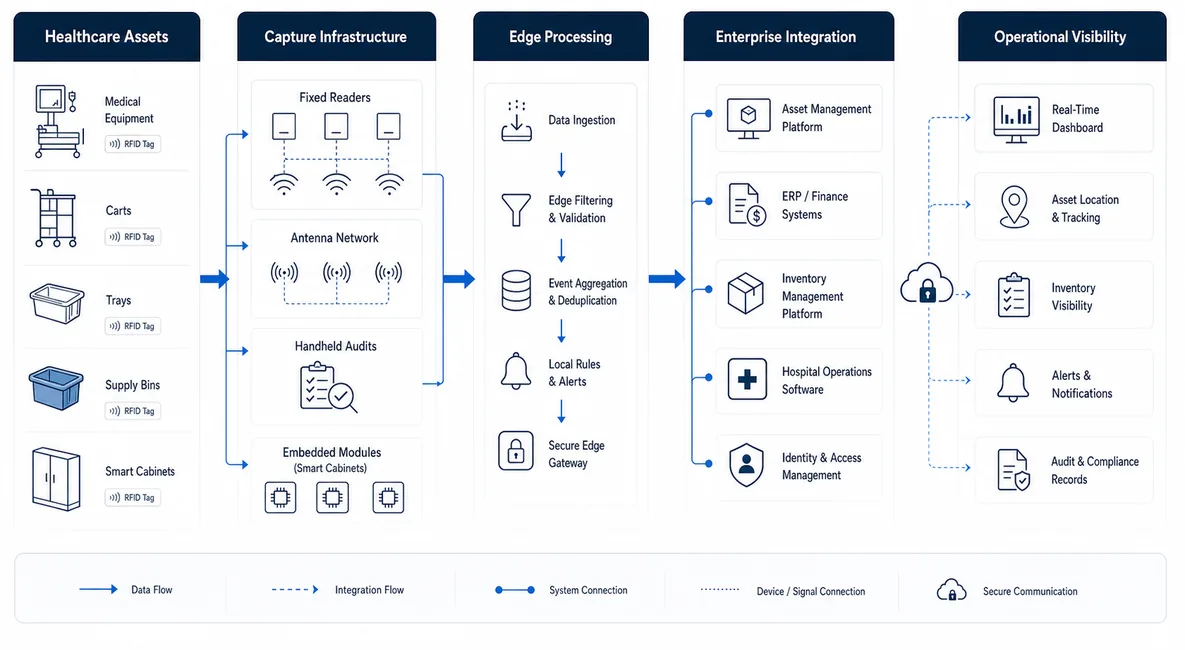
Build the workflow from the asset to the system event
Identify the asset
Define the asset record, tag construction and mounting position.
Capture the movement
Use a handheld audit or a controlled reader zone according to the required visibility.
Filter the read event
Remove duplicates and convert raw reads into a meaningful room, handoff or inventory event.
Update the target system
Send the accepted event to the asset-management, inventory or hospital software environment.
DEPLOYMENT DECISIONS
Design the healthcare read points around material, rooms and cleaning workflows
Adjacent rooms, metal carts, liquid-filled items and repeated cleaning can change tag and reader performance. Validate the full asset-tag-reader combination before scaling.
Asset material
Metal frames, liquid containers and curved surfaces often require different tag constructions.
Location granularity
Decide whether the project needs department-level, room-level, doorway or inventory-only visibility.
Cleaning compatibility
Confirm tag housing, adhesive, attachment and cleaning exposure on the actual asset.
Read-zone isolation
Test adjacent rooms and doorways to limit unwanted reads across nearby spaces.
Software ownership
Define which system owns asset records, movement logic, alerts and exception handling.
RELATED HARDWARE
Match the hardware to each healthcare checkpoint
Hardware is shown by workflow role. Final model, antenna, tag and interface selection should follow sample or site validation.
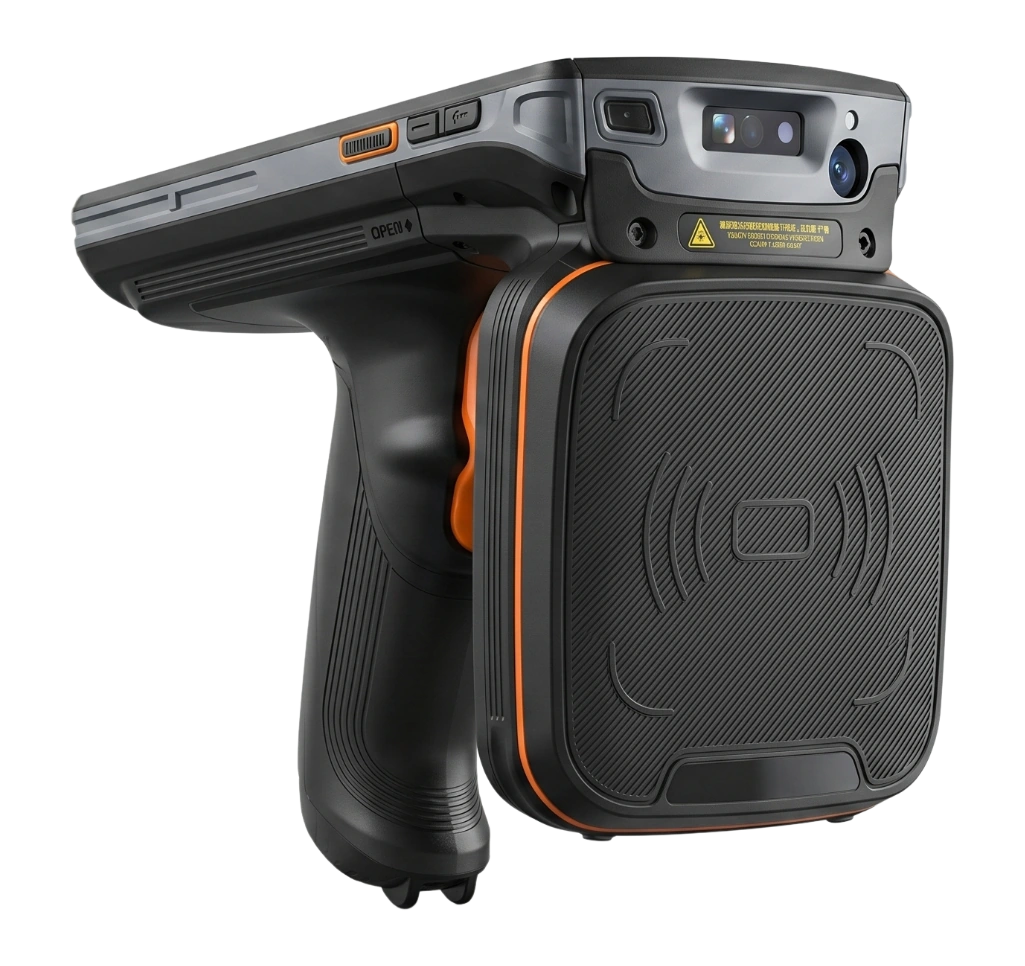
Handheld RFID readers
Open the product family for models, specifications and technical resources.
For mobile inventory, item search and department-level asset audits.
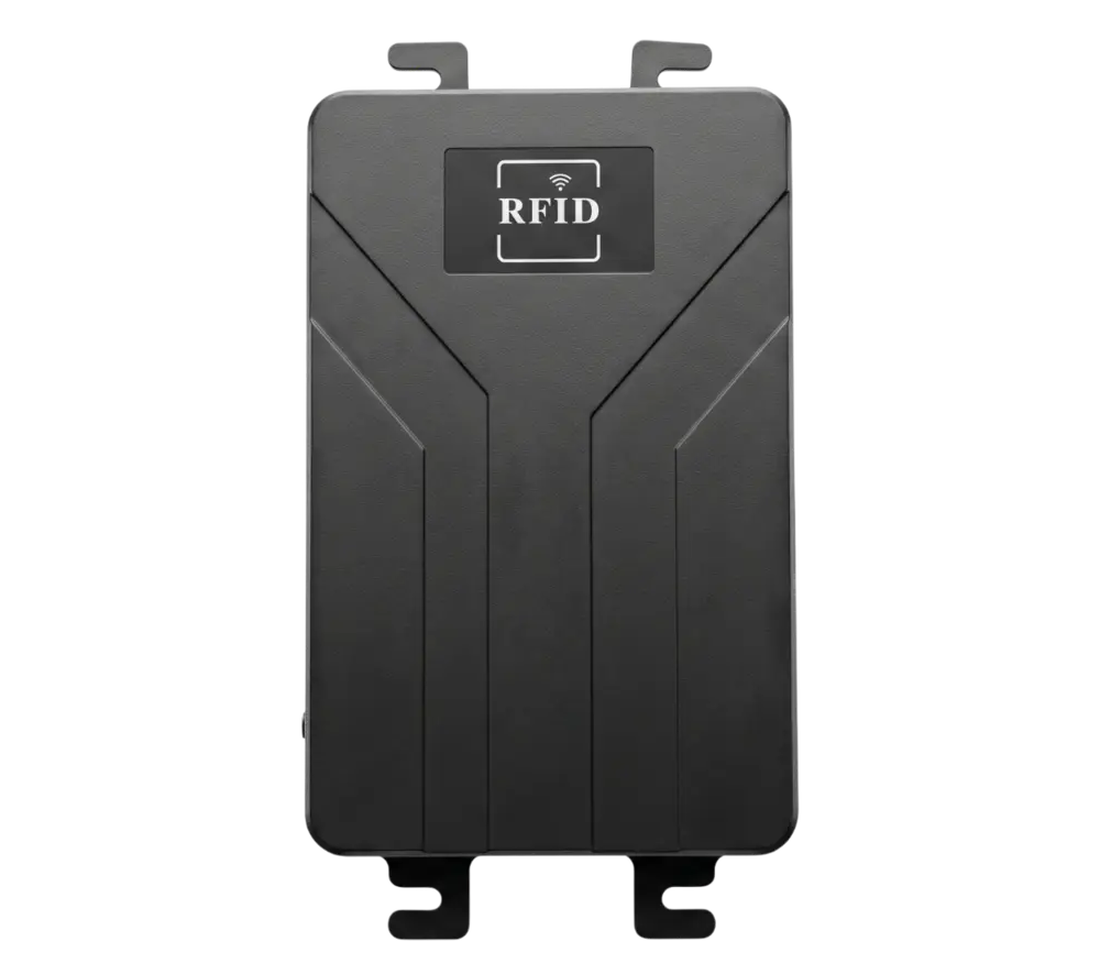
Fixed RFID readers
Open the product family for models, specifications and technical resources.
For controlled entrances, storage rooms, transfer points and process checkpoints.
Anti-metal and medical tags
Open the product family for models, specifications and technical resources.
For equipment frames, carts, consumables and application-specific mounting surfaces.

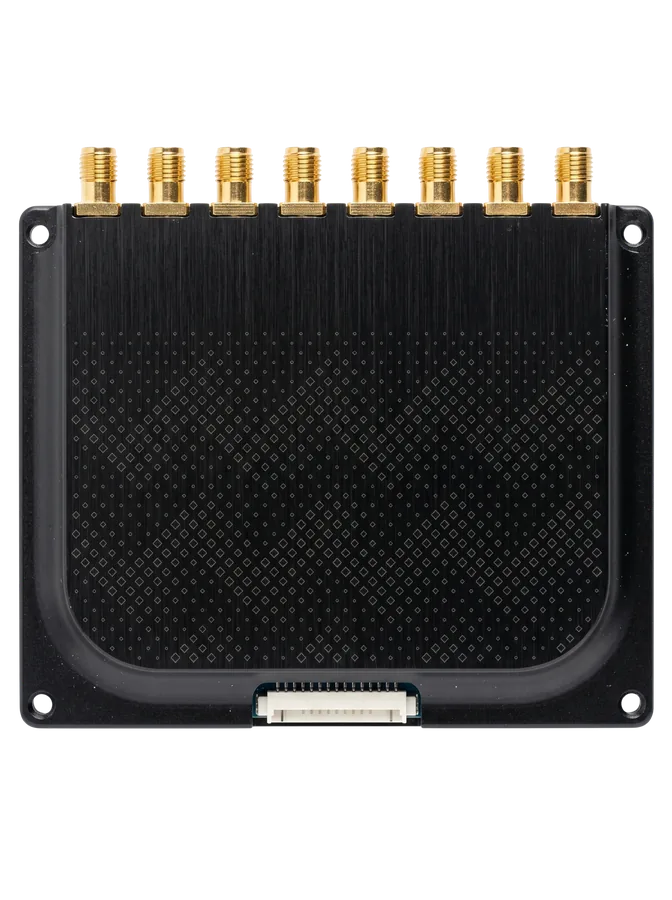
Embedded reader modules
Open the product family for models, specifications and technical resources.
For smart cabinets, storage equipment and OEM healthcare devices.
PILOT & ACCEPTANCE
Start with one controlled healthcare workflow
A useful pilot proves the tag, read zone, event logic and system handoff together. It should also document what happens when an item is unread, misplaced or moved outside the expected workflow.
One department, storage room or asset group.
Actual materials, mounting positions and cleaning conditions.
Required coverage, unwanted-read limits and exception rules.
Agreed event format and ownership between Raylink hardware and customer software.
FAQ
Questions to resolve before deployment
Can UHF RFID locate medical equipment in real time?
UHF RFID can support department, room, doorway or inventory visibility depending on the reader layout and event logic. Precise continuous location may require a different RTLS technology or a hybrid architecture.
Can RFID work on metal medical carts?
Yes, but metal normally requires an anti-metal tag, controlled mounting position and validation on the actual cart or equipment frame.
Does RFID replace barcode in a hospital?
Not necessarily. RFID is useful for bulk capture and automated checkpoints; barcode can remain useful for single-item confirmation, exceptions and backup workflows.
What should be tested before a hospital pilot expands?
Validate the tag on the real asset, cleaning exposure, room overlap, antenna position, event filtering and handoff to the target software.
PROJECT REVIEW
Plan one healthcare workflow before selecting the reader.
Share the asset type, material, mounting position, required location granularity, cleaning process, read points and target software. Raylink can review the hardware direction and pilot boundaries.