

About Raylink RFID
UHF RFID hardware for products, checkpoints, and industrial systems.
Raylink RFID supports system integrators, equipment manufacturers, distributors, and automation teams with readers, modules, antennas, tags, technical resources, and project-specific evaluation.
Review our engineering approachWho We Are
Focused on the hardware layer that makes RFID integration possible.
We help customers choose and configure UHF RFID hardware around a real installation—not only a model number.
The discussion starts with the tagged item, material, read point, movement, regional frequency, host interface, and expected operating conditions. These variables guide the reader, module, antenna, tag, and communication configuration.
Raylink can support product selection, technical documents, interface resources, sample evaluation, and order coordination. The connected application remains responsible for final business logic, user permissions, records, exception handling, and site acceptance.
- Hardware focus
- Readers, modules, antennas, tags, and related project components
- Primary customers
- System integrators, equipment manufacturers, distributors, and automation teams
- Project starting point
- Application conditions, interface requirements, and sample validation
Engineering Evidence
See the work behind the specification.
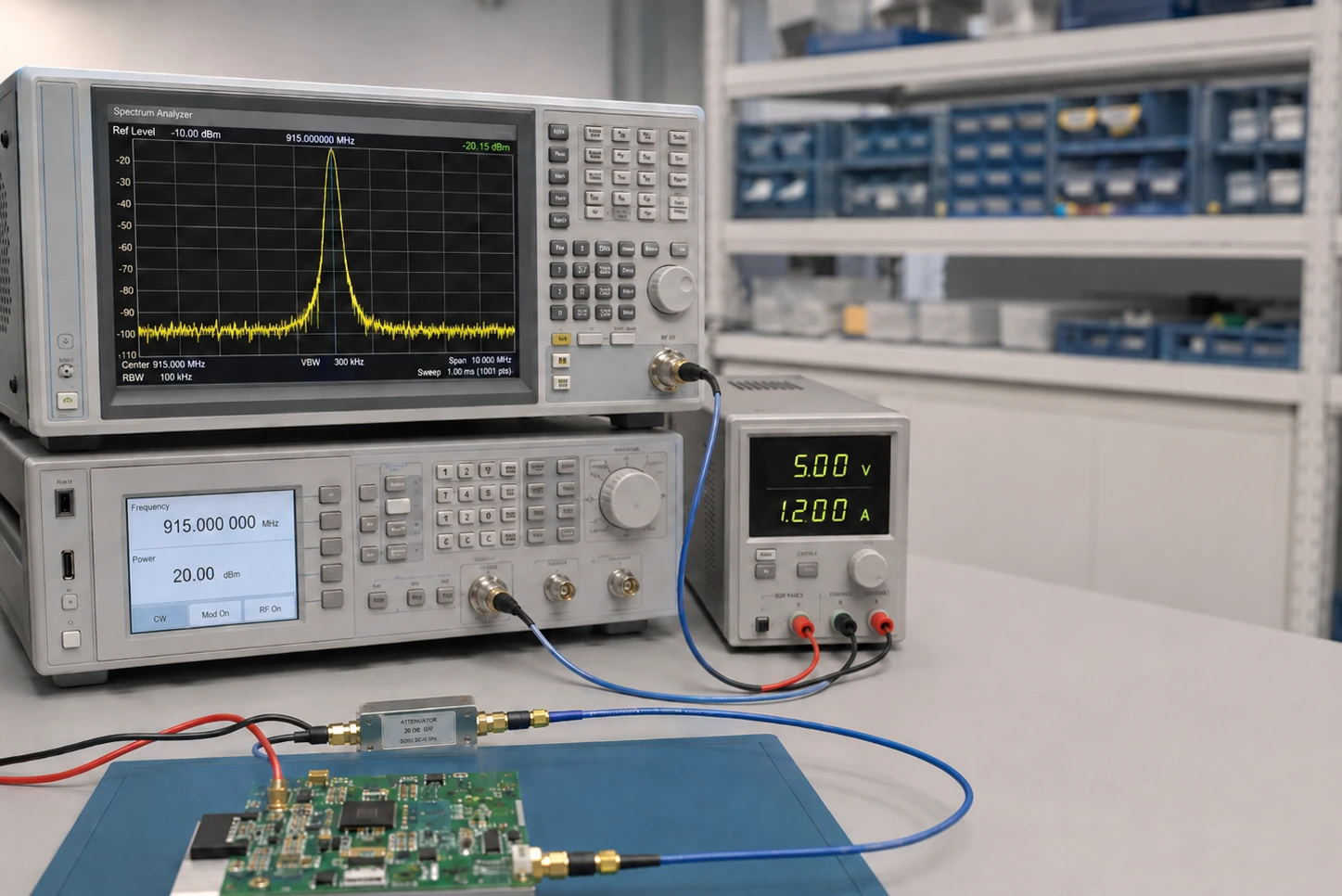
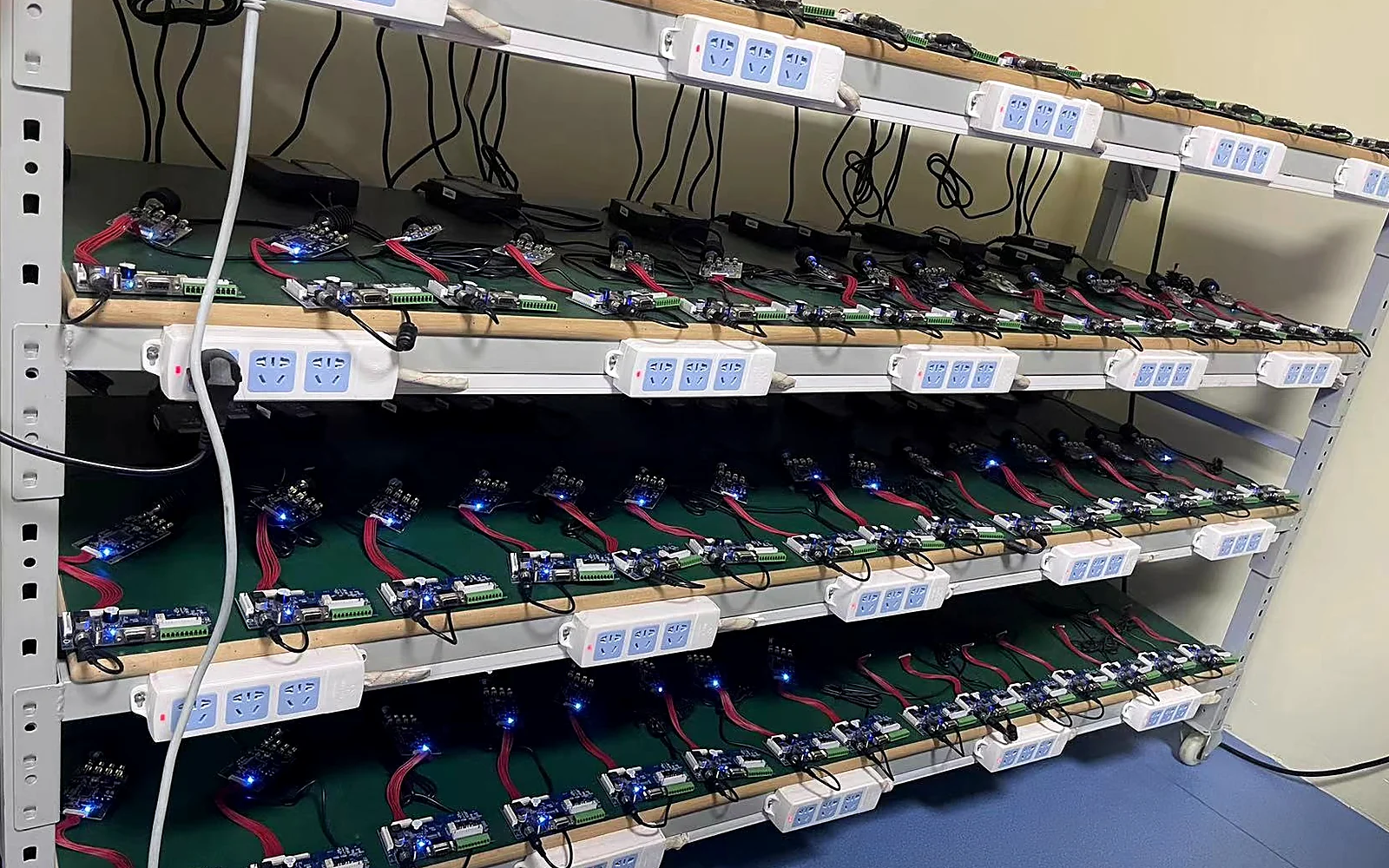
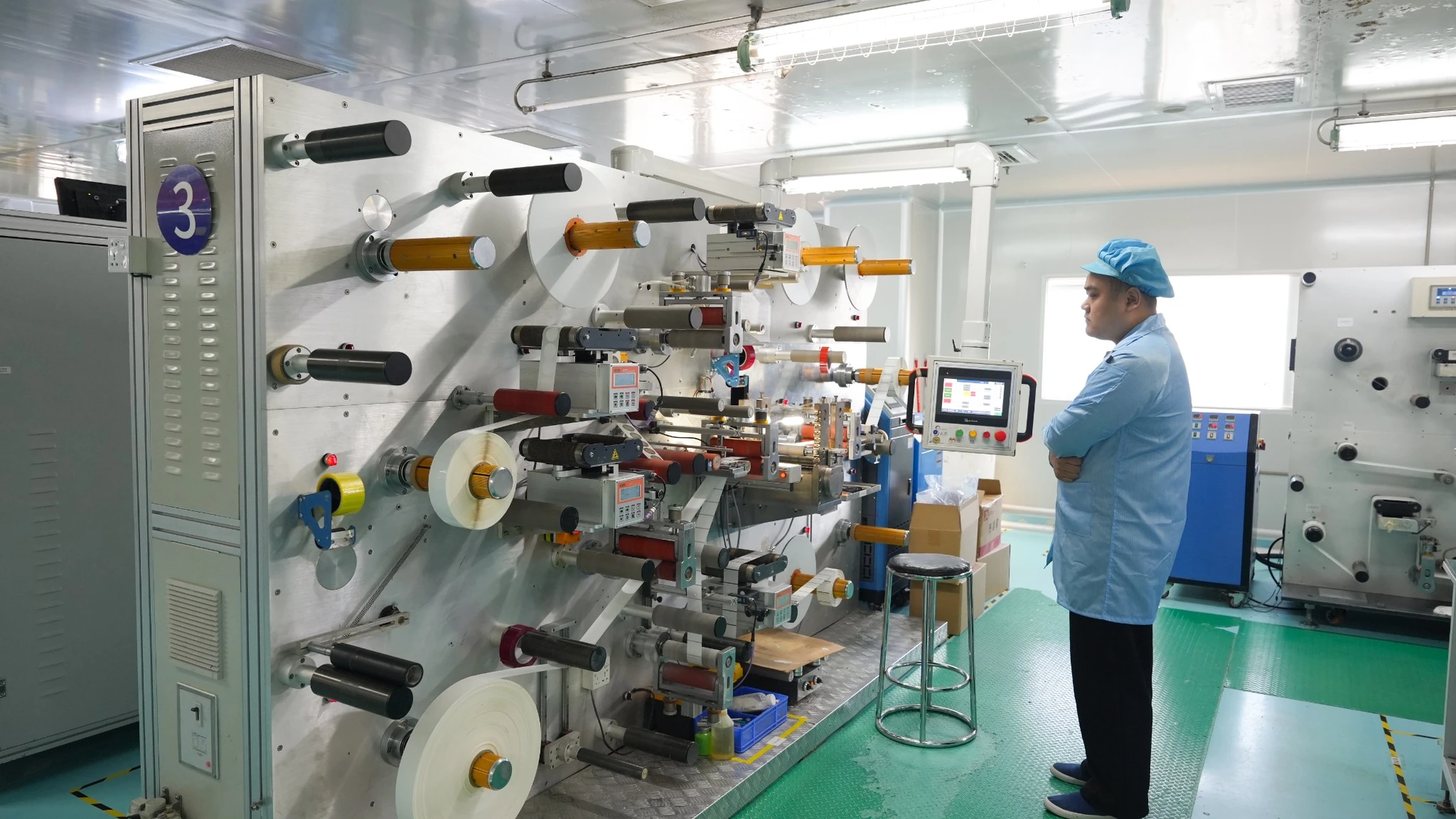
RFID performance depends on the complete RF path and the final application. These images show the types of measurement, operating, and production-process activities that support product evaluation.
Clear Project Boundaries
A dependable project starts with clear ownership.
- Reader, module, antenna, and tag selection
- Regional frequency and interface configuration review
- Mechanical, command, SDK, or API resources available for the approved model
- Representative sample evaluation and hardware-side troubleshooting
- Order configuration, accessories, packaging, and repeat-project follow-up
- Final application logic and user permissions
- MES, WMS, ERP, database, or cloud-platform behavior
- Data retention, cybersecurity, and account management
- Site installation, workflow exceptions, and operational procedures
- Final acceptance criteria and deployment approval
How We Work
From project brief to order release.
A structured review helps reduce incorrect model selection and exposes unresolved technical assumptions before scale-up.
-
01
Project brief
Define the tagged item, material, read point, range, movement, interface, region, quantity, and constraints.
-
02
Configuration review
Match the reader or module, antenna, tag, cable, RF settings, and communication method.
-
03
Sample validation
Check representative samples for expected reads, unwanted reads, orientation, movement, and data output.
-
04
Integration support
Use the approved documentation and interface resources to connect the hardware with the host application.
-
05
Release and follow-up
Confirm model, configuration, documentation, accessories, packaging, quantity, and repeat-order requirements.
The exact test and inspection scope varies by product, customization, order stage, and agreed project requirements.
Technical Resources
Ask for evidence that helps your team evaluate the selected model.
Availability depends on the product, configuration, development package, and project stage.
Product and mechanical information
Datasheets, dimensions, connector views, and installation-related information for the approved model.
Interface and development resources
Command, SDK, API, sample-code, or protocol resources available for the confirmed platform.
Sample and configuration review
Discussion of the target tag, material, antenna path, power, interface, and intended operating conditions.
Repeat-project configuration
Model, regional frequency, hardware or firmware revision, accessories, and customization confirmation where applicable.
Company Information
Company Details
Use the details below for customer review, project communication, and technical enquiries.
Start with the Operating Conditions
Discuss the technical requirements behind your RFID project.
Share the product type, tagged item, material, read distance, movement condition, installation environment, deployment region, host interface, quantity, and expected project schedule.