
UHF Handheld RFID Reader
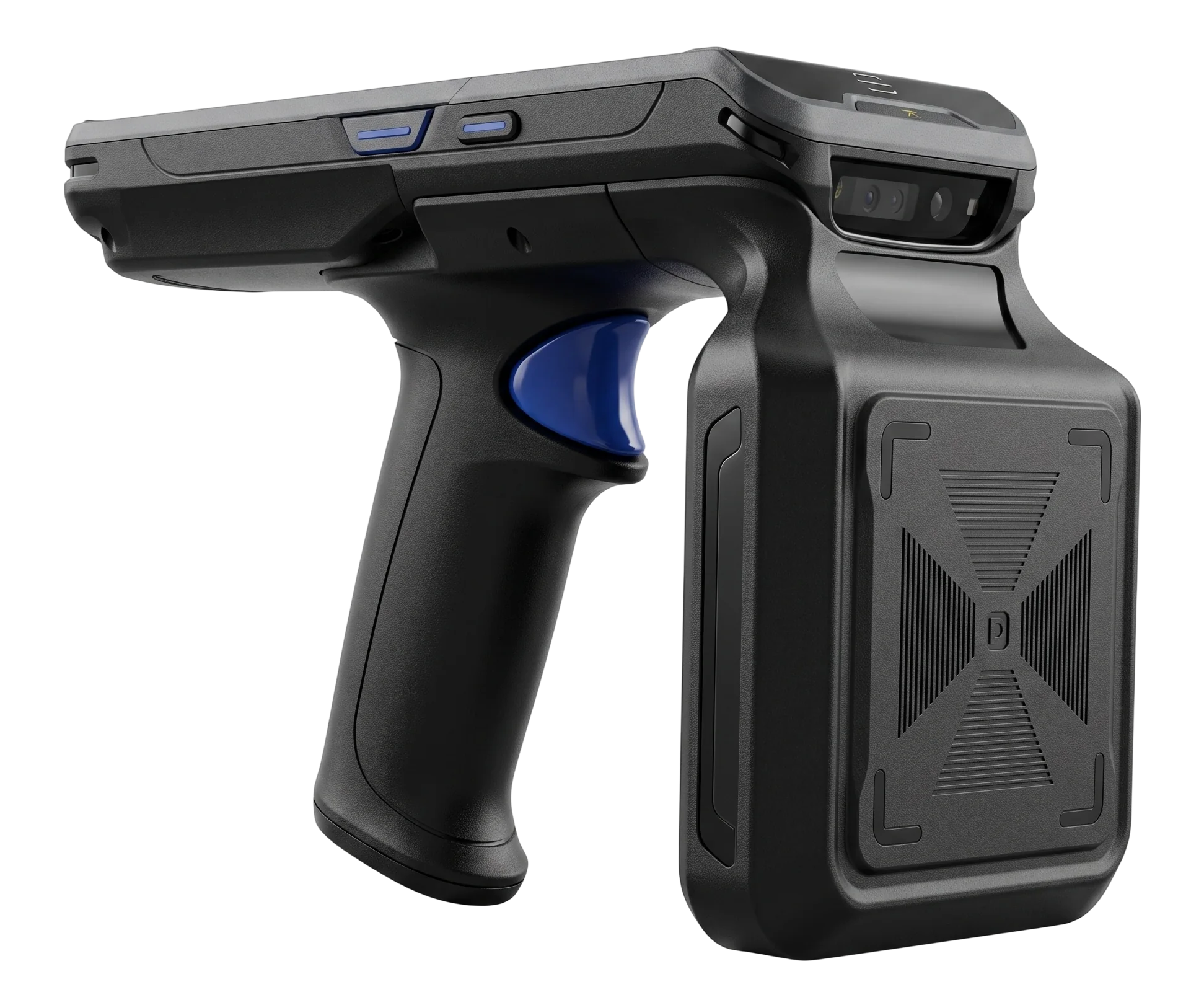
RLRH-20 UHF Handheld RFID Reader
Reduce cycle counting time and improve worker productivity across warehouse inventory, RFID asset tracking, receiving, and field operations. RLRH-20 combines long-range UHF RFID, barcode capture, Android mobile computing, and wireless data connectivity in one handheld reader.


* Maximum read distance and tag rate depend on tag type, tagged material, RF settings, antenna orientation, interference, software configuration, and operating environment.
Why Use RLRH-20?
Reduce cycle counting time, improve productivity, and increase read reliability
RLRH-20 combines long-range UHF RFID, professional barcode capture, Android mobile computing, and rugged wireless connectivity for RFID inventory management, warehouse operations, logistics, and asset tracking.

Reduce cycle counting time
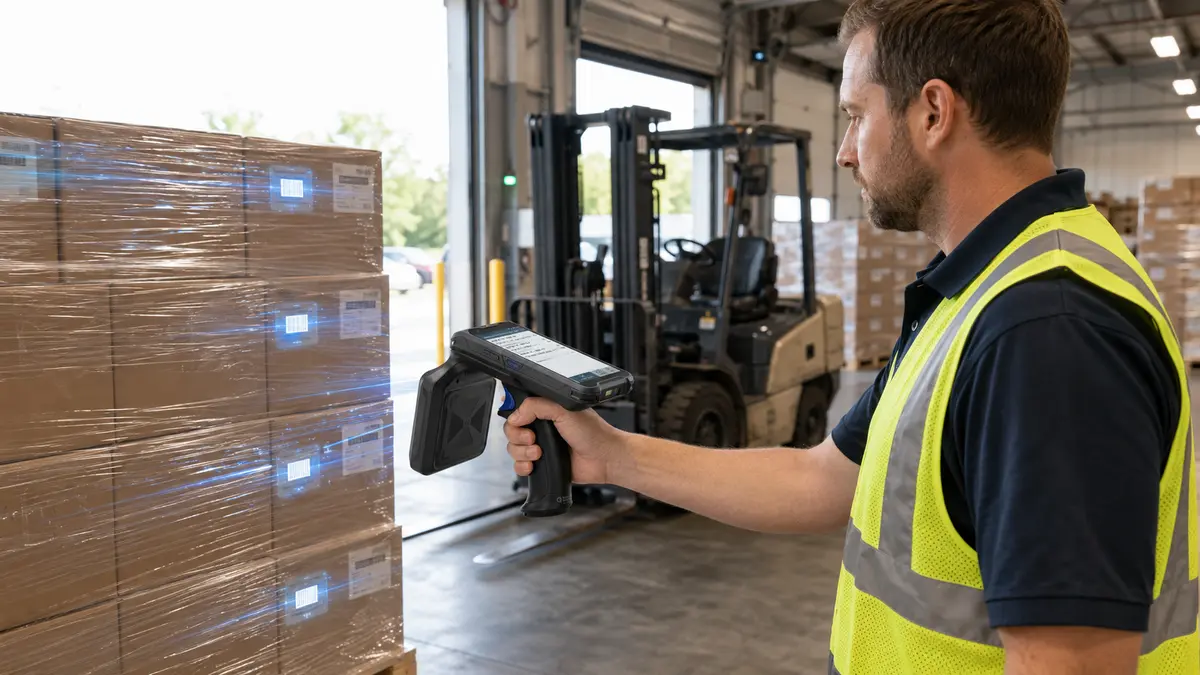
Capture more than 500 eligible RFID tags per second instead of scanning inventory items one by one.

Increase read reliability
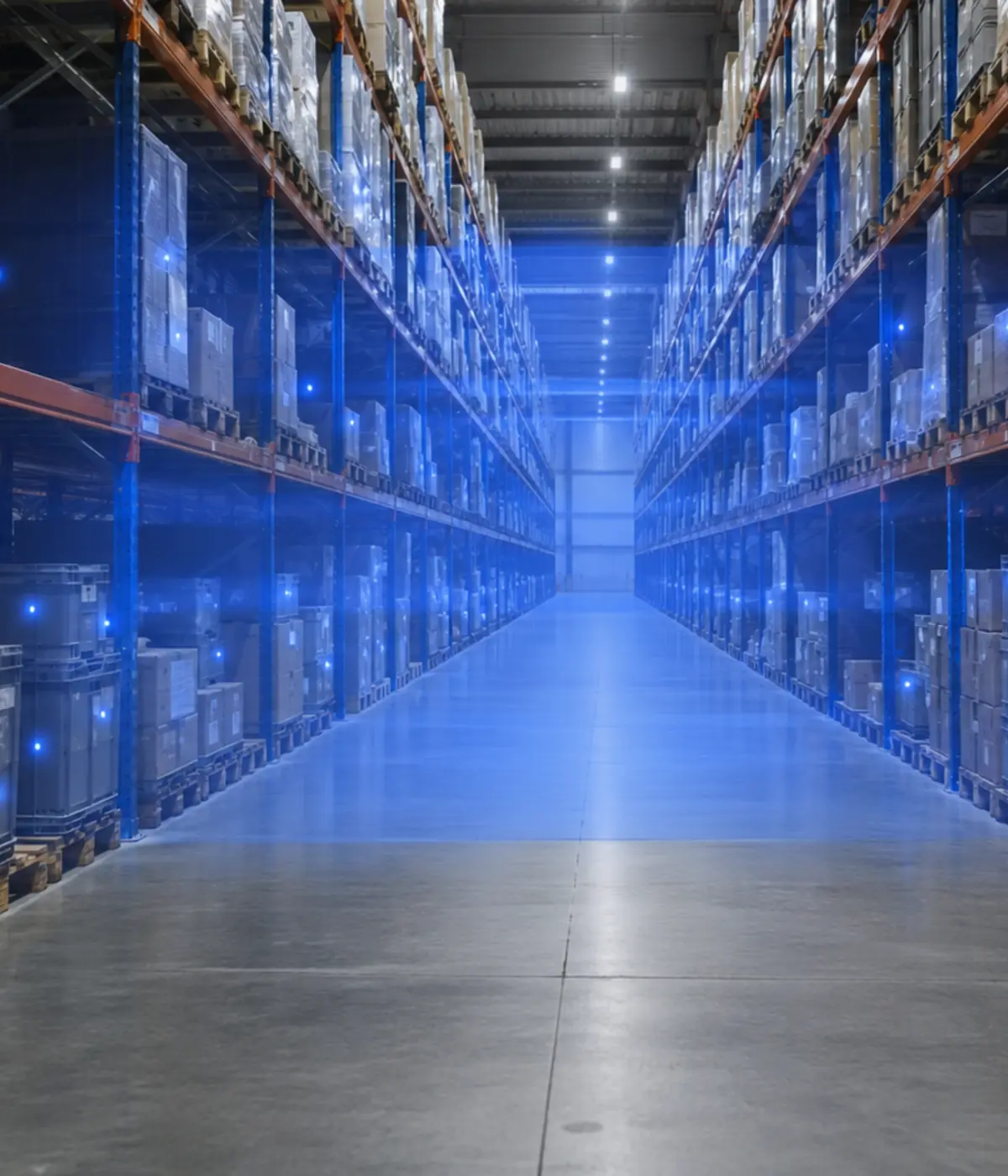
The 4.65 dBi circularly polarized antenna supports more stable reading across changing tag orientations and working distances.

Improve worker productivity
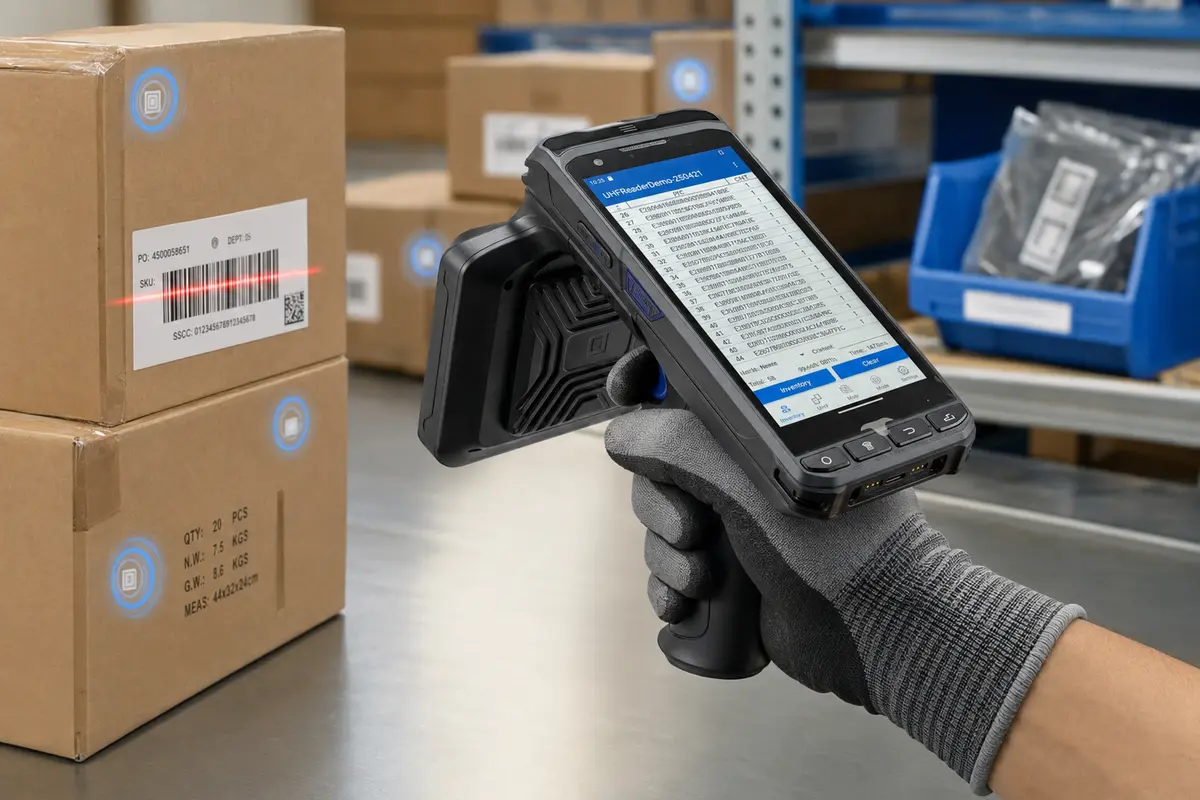
Use UHF RFID, 1D/2D barcode scanning, cameras, Android applications, and wireless data in one handheld workflow.

Stay productive through full shifts
IP65 protection, 1.2 m drop resistance, an ergonomic grip, and a removable 7.6 V 4000 mAh battery support demanding mobile work.
Rapid RFID Inventory
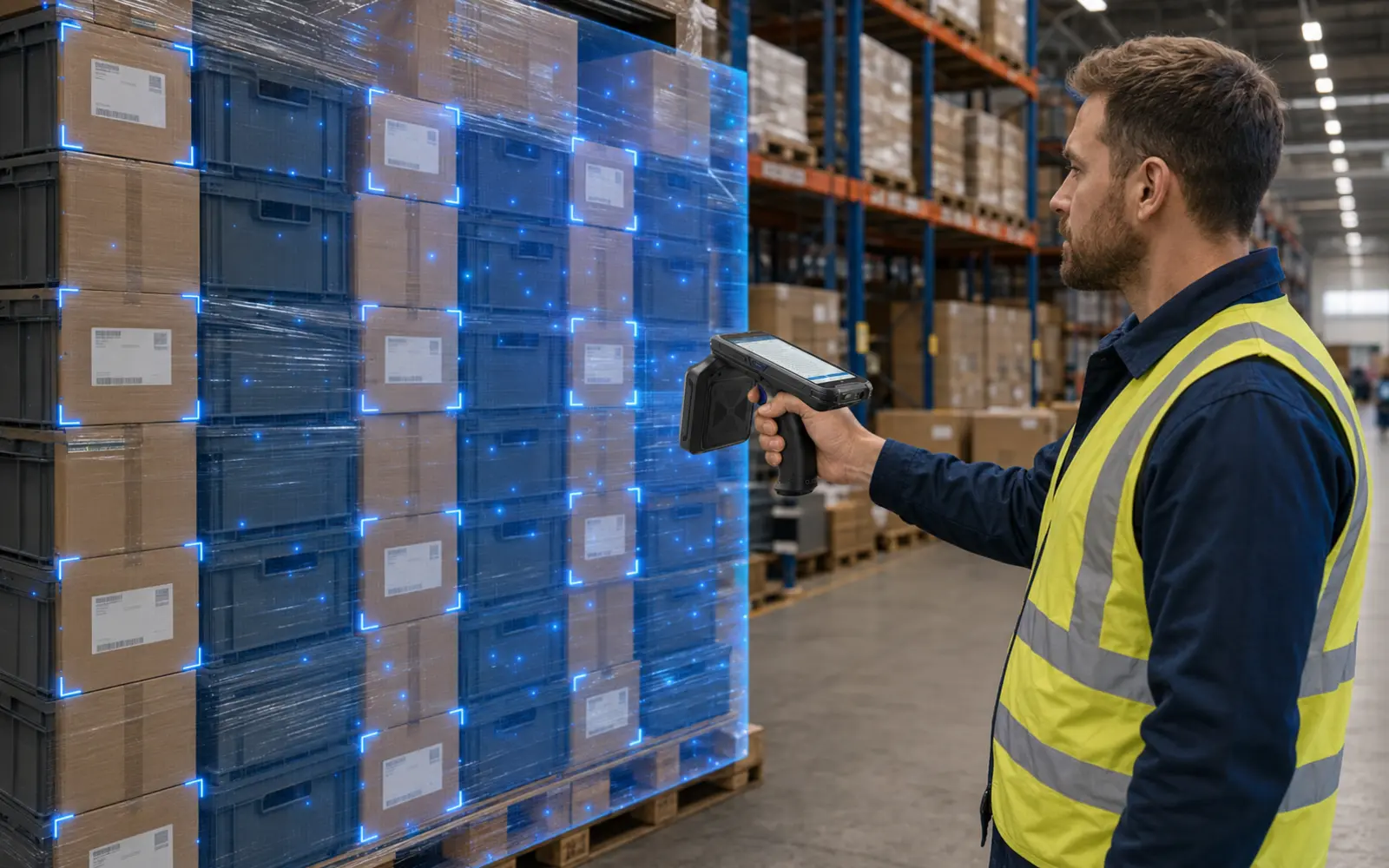
Reduce cycle counting time with high-speed multi-tag capture
Use the RLRH-20 handheld RFID reader to capture more than 500 eligible tags per second under suitable conditions—without aiming at every individual label.
Workers can move through the defined read zone, collect tag records continuously, and focus follow-up on missing, unexpected, or unread items. This reduces repeated scanning steps and supports faster RFID inventory management across warehouses, receiving areas, and asset locations.
Read multiple eligible tags during each sweep instead of checking inventory one item at a time.
Continue moving through racks and receiving areas while the reader collects RFID tag data.
Review captured records on-device and focus follow-up on missing or unexpected items.
Before / After
Replace repeated item checks with one RFID inventory sweep
Item-by-item inventory
5 manual steps for every item
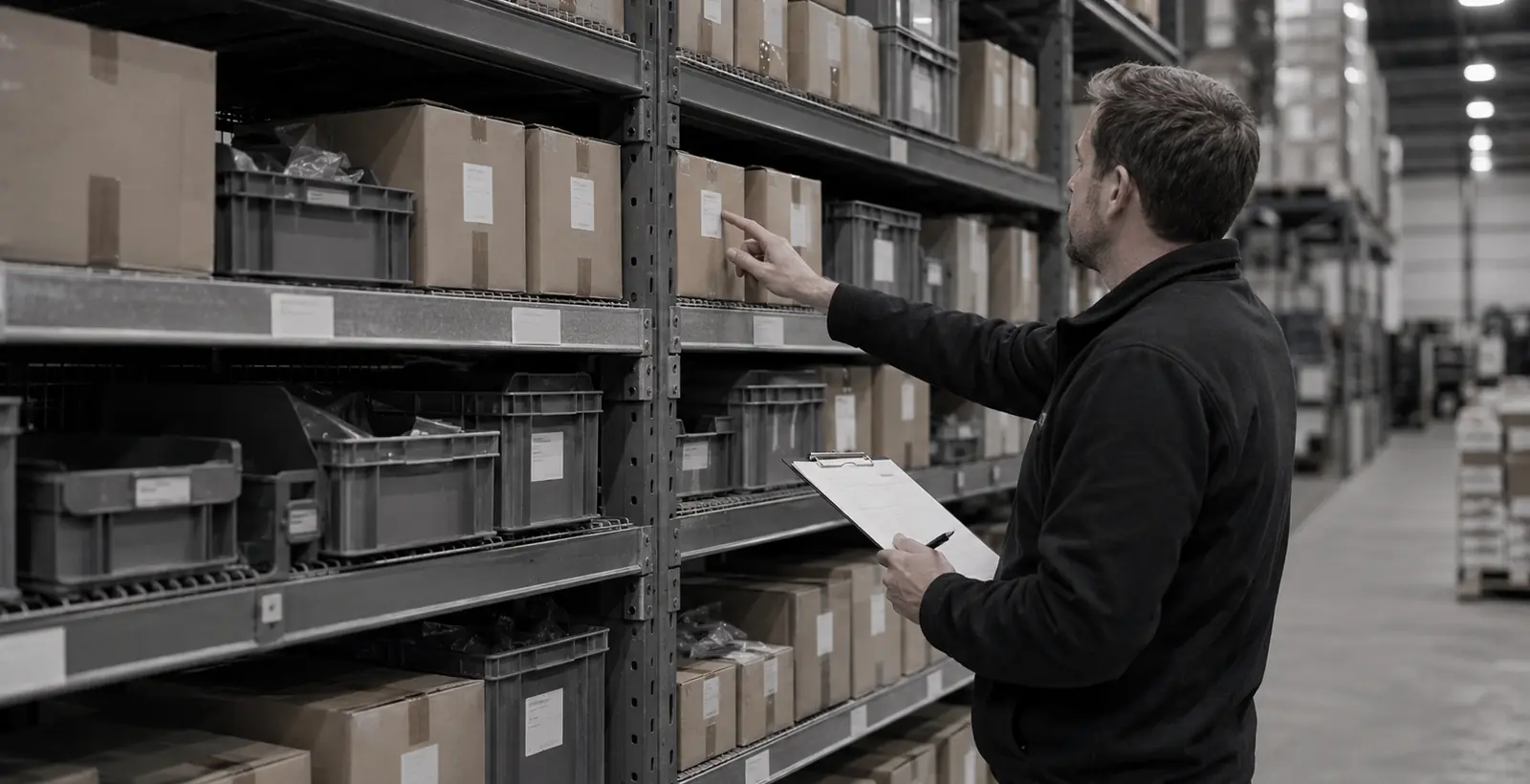
The same close-range sequence is repeated for each individual item.
RFID batch inventory
3 steps for the entire read zone
RFID inventory performance depends on tag type, tagged object material, antenna orientation, RF configuration, nearby materials, interference, software settings, and operating conditions.
Long-Range RFID Reading
Increase read reliability across high shelves and wider work areas
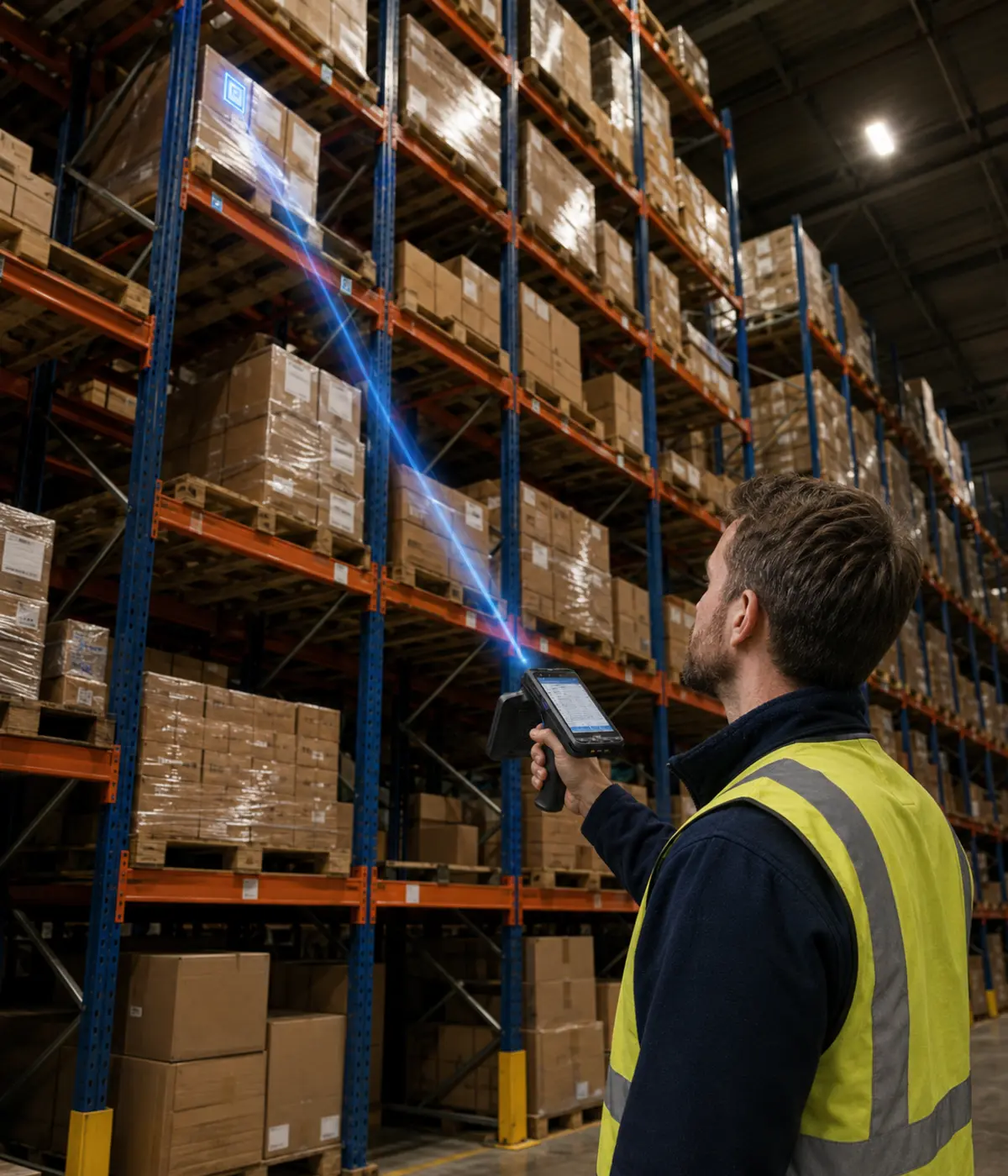
The 4.65 dBi circularly polarized antenna and Raylink 6801 UHF reader engine support long-range RFID inventory tasks where tag orientation, working distance, and shelf position can vary.
Direct the read zone toward the target shelf, pallet, or asset area and validate performance using the actual tags, materials, and RF conditions of the project. Under suitable conditions, this long-range RFID reader supports read distances up to 20 m.
Reach compatible tags on high racks and across wider inventory zones under suitable conditions.
Supports more stable data capture when tag orientation changes during mobile operation.
Supports high-speed, anti-collision multi-tag reading for RFID inventory tracking workflows.
Features That Support Daily Work
Mobile computing, connectivity, and rugged operation
Use RFID together with barcode capture, Android applications, wireless synchronization, optional NFC, and a field-replaceable battery.
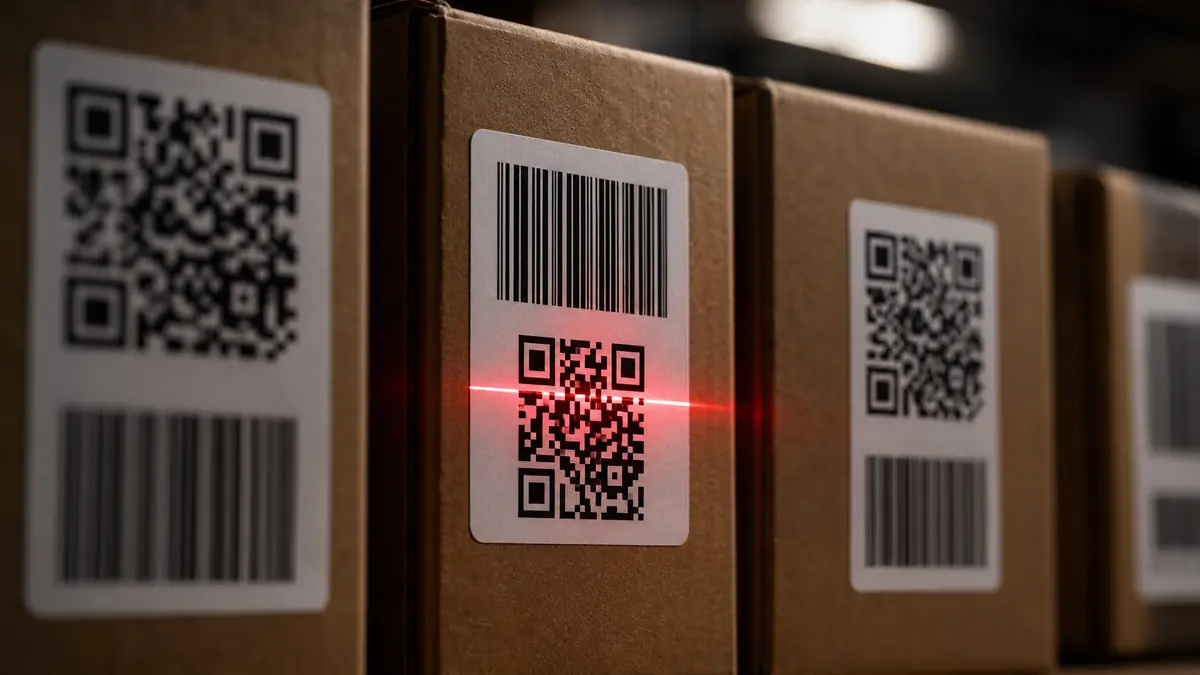
Professional 1D/2D barcode scanning
Capture common 1D and 2D codes alongside UHF RFID, a 13 MP rear camera, and a 2 MP front camera.
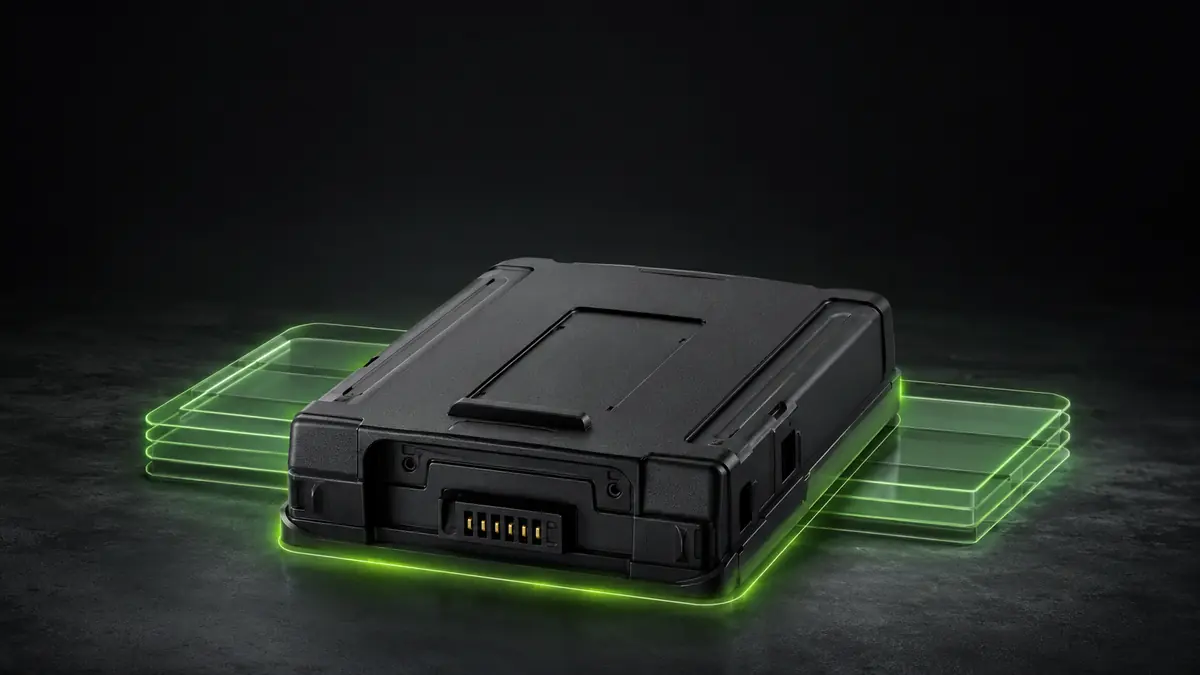
7.6 V 4000 mAh removable battery
Supports extended mobile use, more than 350 hours of standby, and charging in under three hours.
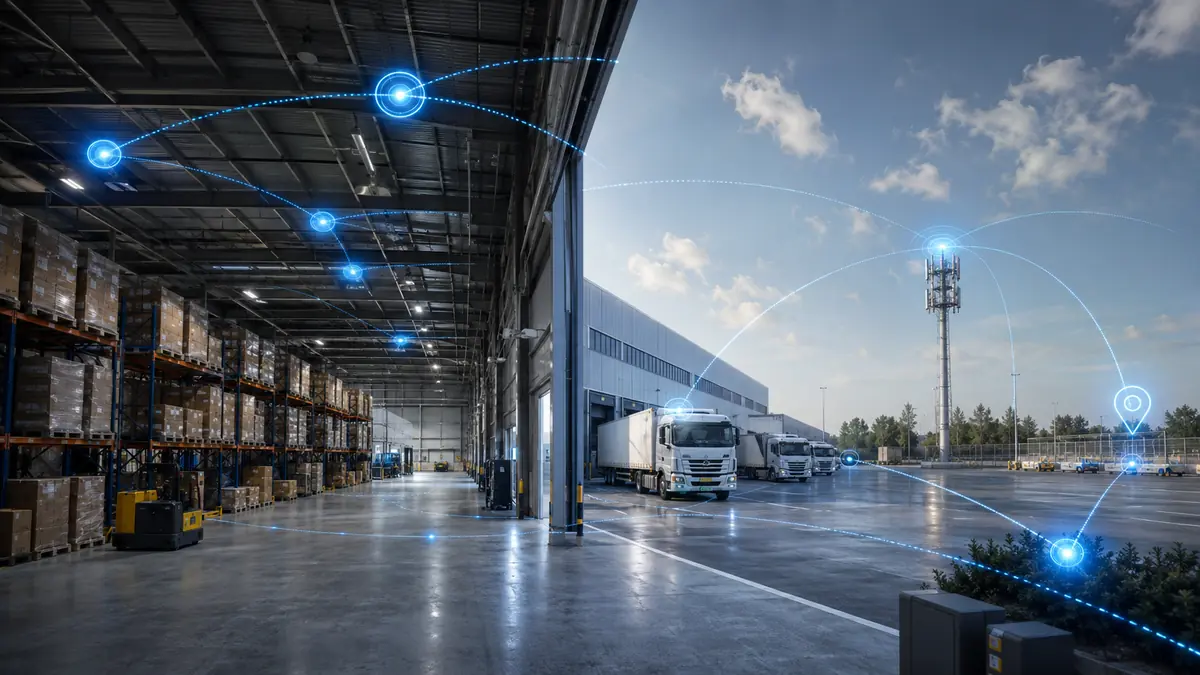
4G, dual-band Wi-Fi, Bluetooth 5.0, and GNSS
Synchronize field data through 4G LTE, dual-band Wi-Fi, Bluetooth 5.0, and multi-constellation positioning.
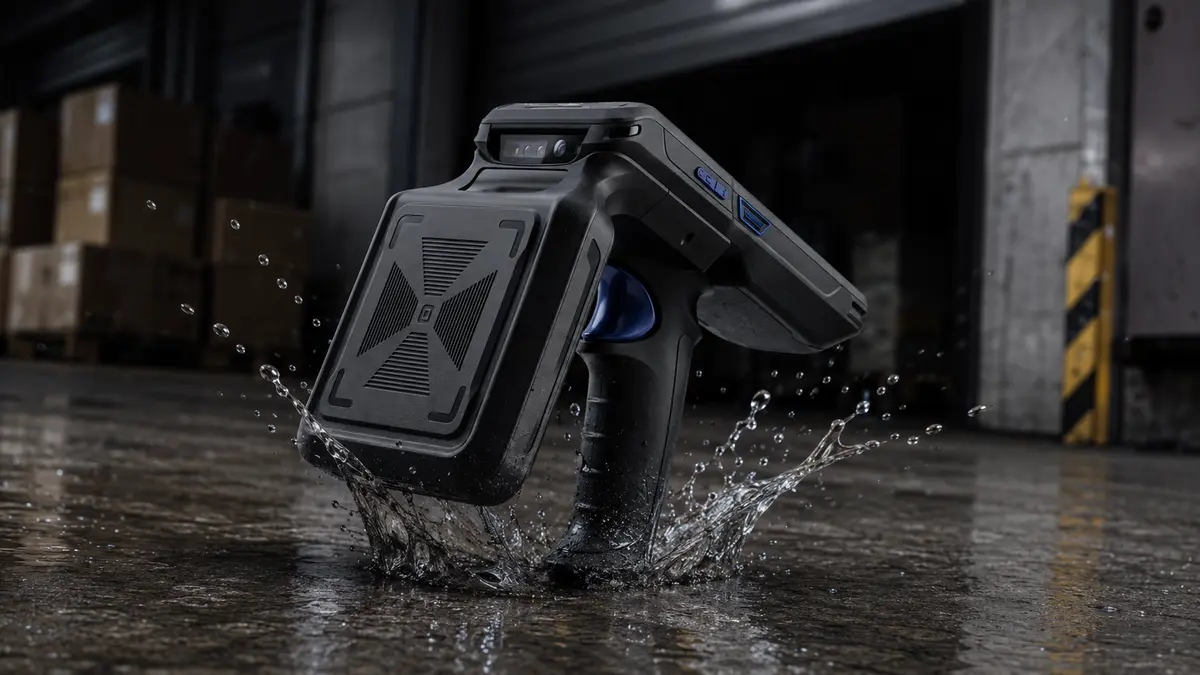
IP65 protection and 1.2 m drop resistance
Designed for dust, water exposure, repeated handling, and 0.5 m rolling tests in industrial work.
Applications
Mobile RFID workflows for logistics, manufacturing, and returnable assets
Use RLRH-20 for receiving verification, manufacturing WIP tracking, and reusable pallet or container identification across connected operational workflows.
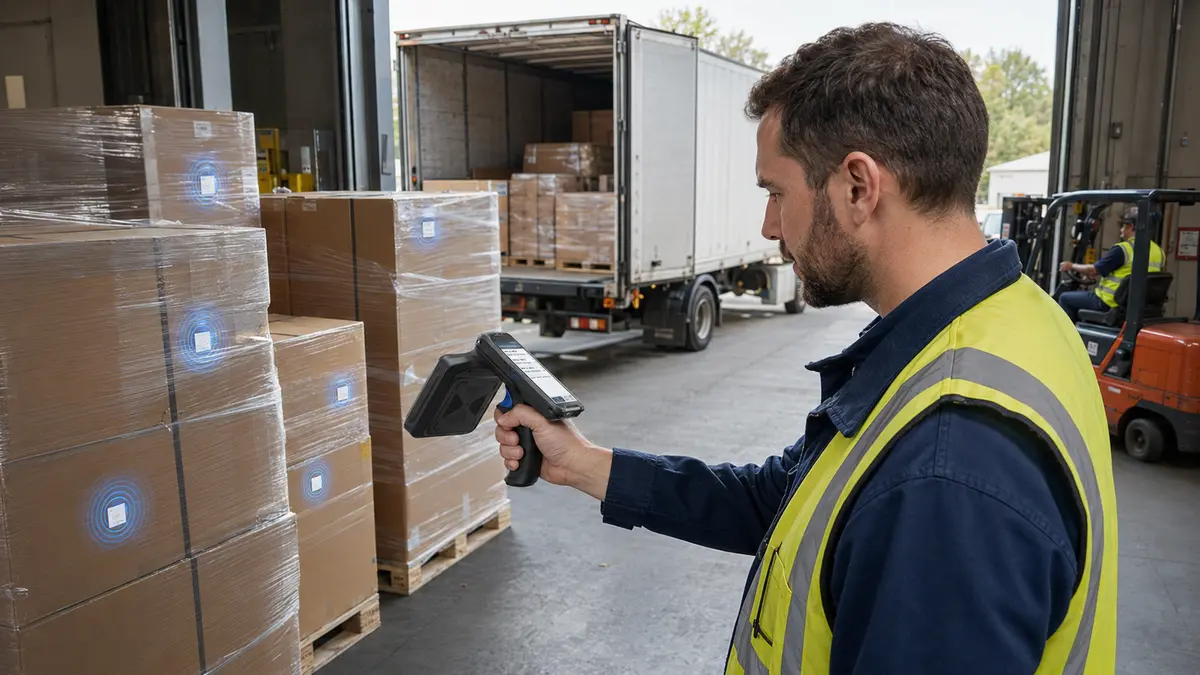 Receiving & Shipping
Inbound & Outbound Verification
Verify tagged cartons, pallets, and returnable containers during receiving, staging, loading, and shipment handover.
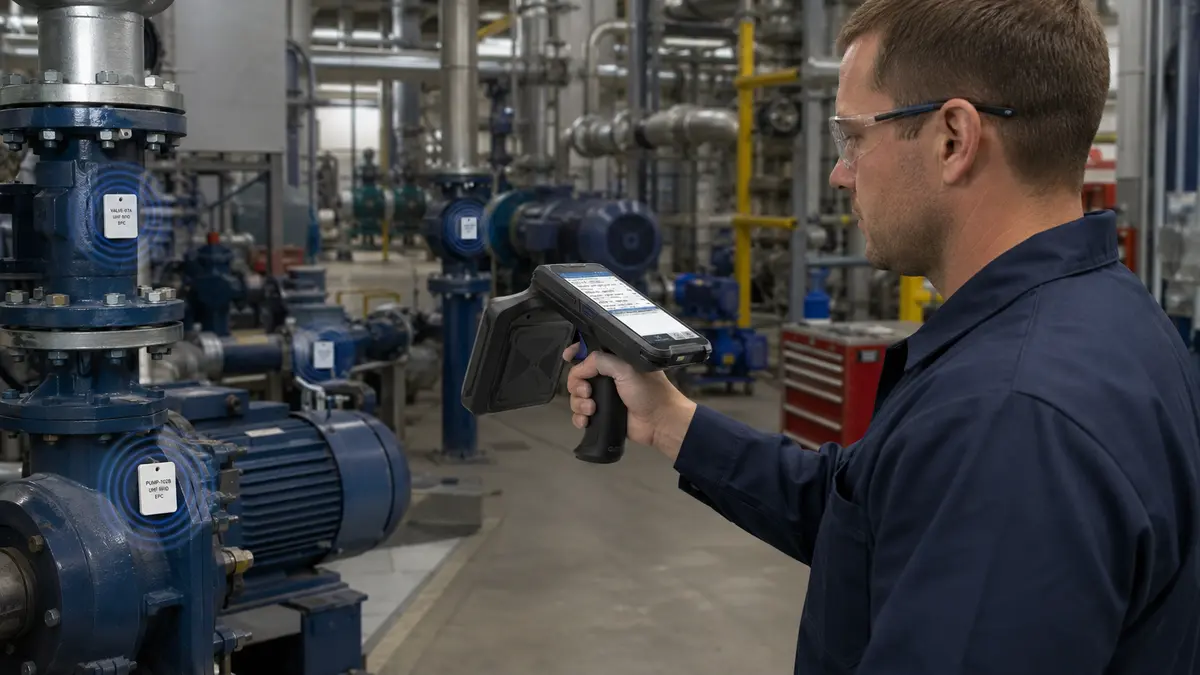 Manufacturing WIP
Manufacturing WIP Tracking
Track tagged materials, work orders, bins, and semi-finished goods as they move between production stations and storage areas.
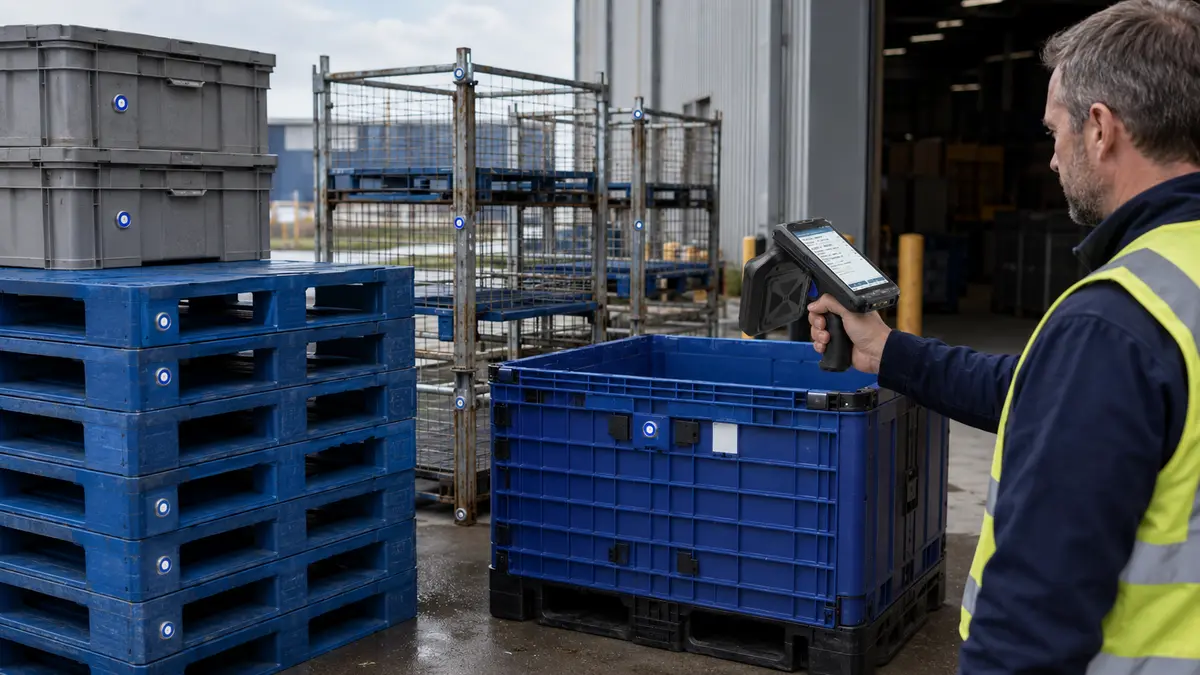 Returnable Assets
Pallet & Container Tracking
Identify reusable pallets, totes, racks, and transport containers across warehouses, production sites, and logistics yards.
Specifications
RLRH-20 UHF handheld RFID reader specifications
Specifications below are transcribed from the supplied HDR01 datasheet. Confirm the final RLRH-20 model mapping, regional frequency configuration, optional NFC, accessories, and SDK package before publication or quotation.
| Mobile Computer | Operating System | Android 10.0 / Android 13.0 |
|---|---|---|
| Processor | Octa-core MT6762, 2.0 GHz, 64-bit | |
| Memory | 4 GB RAM + 64 GB ROM | |
| Expandable Storage | Micro SD, up to 256 GB | |
| Display | 5.5-inch HD, 720 × 1440, over 500 cd/m² | |
| Cameras | 13 MP rear autofocus camera; 2 MP front camera | |
| RFID & Capture | RFID Engine | Raylink 6801 UHF Reader Engine |
| Antenna | 4.65 dBi circularly polarized | |
| Frequency | China 920–925 MHz; US 902–928 MHz; EU 865–868 MHz | |
| RF Protocol | EPC C1 Gen2 / ISO 18000-6C | |
| Maximum Read Distance | Up to 20 m, depending on tag and environment | |
| Read Rate | More than 500 tags/s under suitable conditions | |
| Barcode | 1D/2D: UPC/EAN, Code128, QR, Datamatrix, PDF417, Aztec, and others | |
| Power & Physical | Battery | Removable 7.6 V, 4000 mAh polymer battery (equivalent to 3.8 V, 8000 mAh) |
| Standby Time | More than 350 hours | |
| Charging Time | Under 3 hours | |
| Dimensions | 179 × 74.5 × 150 mm, including handle | |
| Weight | Under 750 g, depending on configuration | |
| Ergonomics | Pistol grip designed for extended mobile use | |
| Connectivity | Wireless | 4G LTE; dual-band 2.4 / 5 GHz Wi-Fi; Bluetooth 5.0 |
| Positioning | GPS, Galileo, GLONASS, BeiDou | |
| Ports | USB Type-C 2.0 with OTG; POGO pin | |
| SIM / Security | 1 × Nano SIM; optional 2 × PSAM | |
| NFC (Optional) | 13.56 MHz; ISO 14443A/B and ISO 15693; 2–5 cm | |
| Environment | Protection Rating | IP65 |
| Drop Resistance | 1.2 m drop-tested on all sides | |
| Roll Test | Survives continuous 0.5 m rolling tests | |
| Operating Temperature | −20°C to +55°C | |
| Storage Temperature | −40°C to +70°C | |
| Humidity | 5–95% RH, non-condensing |
Support & Documentation
Technical resources for RLRH-20 evaluation and integration
Product Datasheet
Review mobile-computer, RFID, connectivity, ruggedness, battery, and accessory specifications.
Request datasheet →SDK Package
Request SDK, APIs, sample resources, and project-matched technical documents by email.
Request SDK →Integration Support
Discuss RFID settings, application workflow, barcode requirements, optional NFC, accessories, and deployment conditions.
Ask an engineer →FAQ
RLRH-20 integration and RFID performance FAQ
Can RLRH-20 help reduce cycle counting time?
Yes, when inventory items use compatible EPC Gen 2 / ISO 18000-6C tags and the read zone is correctly configured. RLRH-20 can process more than 500 eligible tags per second under suitable conditions, allowing workers to collect multiple inventory records in one sweep instead of scanning items individually.
What affects the maximum RFID read distance?
Read distance depends on the RFID tag, tagged material, tag orientation, reader power, antenna direction, nearby metal or liquid, interference, software settings, and operating environment. The stated distance of up to 20 m must be validated with the actual project tags and site conditions.
How can I increase RFID read reliability?
Test the reader with the final tags and tagged objects, define the intended read zone, adjust RF power, confirm the regional frequency setting, and evaluate tag orientation and surrounding materials. Metal, liquid, dense tag populations, and nearby readers can change RFID performance.
Can RLRH-20 read RFID tags and barcodes in the same workflow?
Yes. RLRH-20 combines UHF RFID reading, common 1D/2D barcode scanning, and camera-based data capture. The final workflow and data fields depend on the application software and SDK implementation.
Which UHF RFID tags does RLRH-20 support?
RLRH-20 supports tags compliant with EPC Class 1 Gen 2 / ISO 18000-6C within the configured regional frequency band. Tag selection should also consider the tagged material, required read distance, orientation, and operating environment.
Can it support RFID inventory management and RFID asset tracking?
Yes. Typical applications include warehouse inventory, cycle counting, receiving, RFID inventory tracking, tool and equipment identification, logistics, and field asset checks. The handheld reader is the mobile data-capture component; backend workflow depends on the deployed software.
Which Android and SDK options are available?
The supplied product information lists Android 10 and Android 13 configurations. Request the project-matched SDK, APIs, sample code, documentation, and device configuration using a company email address.
Is RLRH-20 suitable for industrial and warehouse work?
The supplied datasheet states IP65 protection, 1.2 m drop resistance, continuous 0.5 m rolling-test capability, and an operating temperature range of −20°C to +55°C. Validate the final configuration against the actual site, handling, and cleaning conditions.
Project Review
Confirm the RLRH-20 configuration for your workflow
Share your tagged items, read-distance target, inventory process, barcode requirements, connectivity, optional NFC, accessories, operating region, and SDK needs.